






By Jennifer Wolff-Gillispie HWP, LC
EDITOR’S SUMMARY: Once regarded as a trusted medicine, later condemned as a dangerous drug, and now undergoing renewed scientific scrutiny, cannabis has rarely been understood without controversy. This balanced examination explores its history, therapeutic potential, safety considerations and evolving role in healthcare, inviting you to look beyond decades of fear and enthusiasm alike and instead follow the evidence wherever it leads.
For much of the twentieth century, marijuana—also commonly known as weed, grass, pot, ganja, herb and Mary Jane—was portrayed as a societal menace. Public service announcements warned that a single puff could destroy lives. Newspapers printed sensational stories linking it to violence and insanity. Terms like “devil’s lettuce“ entered the cultural lexicon during the early decades of prohibition, while television and movies later portrayed marijuana users as lazy, unmotivated, forgetful or unintelligent at best, and deranged and dangerous at their worst. These fear campaigns were fueled by a mix of moral panic, cultural and racial prejudice toward African Americans and Mexican immigrants who used marijuana, along with political forces that helped shape emerging drug policy.
Although no single factor explains marijuana prohibition, historians have pointed to a combination of political, economic and cultural forces. Some accounts have also argued that hemp’s potential competition with industries such as timber, paper and synthetic materials played a role, although the historical evidence for this explanation remains debated. Lost amid the headlines and political battles was the plant’s long history as a source of medicine, fiber, nutrition and spiritual practice across cultures.
From Reverence to Reefer Madness: Cannabis, Hemp, and a Forgotten History
As early as 2800 BCE, ancient Chinese medical texts have referenced cannabis preparations for healing. Archaeological evidence also suggests cannabis was used in religious ceremonies throughout Central Asia with the first reported cultivation recorded in this area 12,000 years ago. In India, cannabis became intertwined with spiritual practices and Ayurvedic medicine. Ironically, as the United States moved toward prohibition in the 1930s, Rastafarian communities embraced cannabis as a sacrament, using it to support meditation, prayer and spiritual connection.
Historically, cannabis served many purposes. Varieties cultivated for their medicinal, ceremonial or psychoactive properties became known as marijuana, while those grown for fiber, paper, textiles, rope and nutrition were known as hemp. This versatile crop supported commerce and exploration for centuries, supplying material for everything from important historical documents to the rigging and sails of early ships.
Marijuana remained part of American medicine into the early 1900s. It appeared in medical formularies and was prescribed by physicians for pain, muscle spasms, insomnia, and a variety of other conditions. That would soon change dramatically. By the 1930s, a combination of political, cultural and economic forces fueled a growing anti-marijuana movement. The 1937 Marihuana Tax Act effectively criminalized its use, while films such as “Reefer Madness” portrayed cannabis users as descending into madness, crime and moral decay. The film opens by warning viewers that marijuana is “The Real Public Enemy Number One,” claiming it causes “dangerous hallucinations,” “acts of shocking violence,” and “incurable insanity.”
Decades later the federal government would take an even stronger stance. In 1970, President Richard Nixon signed the Controlled Substances Act, creating a system that classified drugs according to medical use and abuse potential. Cannabis was placed into Schedule I, the most restrictive category, alongside heroin. Schedule I substances were defined as having a high potential for abuse and no accepted medical use. What is often overlooked, however, is that marijuana’s placement into Schedule I was intended to be temporary. During the drafting of the legislation, Assistant Secretary of Health Roger O. Egeberg recommended that cannabis be placed in Schedule I only until further scientific review could be completed. Congress created the National Commission on Marihuana and Drug Abuse, better known as the “Shafer Commission,” chaired by former Pennsylvania Governor Raymond P. Shafer.
After nearly two years of research and testimony, the Shafer Commission released its landmark 1972 report, “Marihuana: A Signal of Misunderstanding.” Rather than supporting continued prohibition, the commission recommended decriminalizing the personal possession and use of marijuana, concluding that the social harms associated with cannabis had been greatly exaggerated and that criminal penalties often caused more damage than the behavior itself. Despite being commissioned by the federal government and chaired by a Nixon appointee, the report’s recommendations were largely ignored, and marijuana remained in Schedule I for more than five decades.
In the years that followed, a growing body of research began suggesting that cannabis possessed genuine therapeutic value. As evidence accumulated, the federal government’s position began to shift. In 2023, the U.S. Department of Health and Human Services concluded that marijuana had legitimate accepted medical uses and recommended rescheduling. Federal officials cited evidence supporting its use for pain management, chemotherapy-induced nausea and vomiting, and appetite stimulation. In 2026, federal authorities took the most significant step yet. On April 23, 2026, the Justice Department issued an order announcing it was:
“…immediately placing both FDA-approved products containing marijuana and marijuana products regulated by a state medical marijuana license in Schedule III of the Controlled Substances Act, as well as the initiation of an expedited administrative hearing process to consider the broader rescheduling of marijuana from Schedule I to Schedule III.”
As attitudes toward cannabis have evolved, so too has public discussion surrounding the legal consequences of prohibition. Millions of Americans accumulated criminal records for marijuana-related offenses during decades of enforcement. In response, states have adopted expungement programs that allow certain past convictions to be reduced, sealed, or erased. Supporters argue that individuals should not continue facing barriers to employment, housing, education, or professional licensing for conduct that is now legal in many jurisdictions. These reforms represent one of the most significant social consequences of cannabis legalization and continue to shape policy discussions nationwide.
Understanding Modern Cannabis Products
The terminology surrounding the plant can be confusing because cannabis, hemp, and marijuana are often used interchangeably, even though they are not exactly the same thing. Cannabis is the scientific name for the entire plant family, which includes indica, sativa and hybrid varieties. Hemp refers to cannabis varieties bred primarily for industrial and nutritional purposes and, under U.S. law, contains no more than 0.3% Delta-9-tetrahydrocannabinol (the full, scientific name of THC), the primary intoxicating compound. Hemp has historically been what was used to produce industrial materials and animal feed because of its strong fibers and nutrient-rich seeds and oils. Marijuana, by contrast, is a cultural and legal term used to describe cannabis varieties that contain higher levels of THC especially in its flowers and are typically cultivated for medicinal or recreational use.
Despite their different legal classifications and uses, hemp and marijuana are biologically the same species. Both contain at least 550 naturally occurring compounds, including cannabinoids such as THC and CBD, as well as aromatic compounds known as terpenes. While Delta-9 THC is the primary intoxicating cannabinoid found in cannabis, others have unique biological effects. Delta-8 THC generally produces a milder psychoactive experience, while tetrahydrocannabivarin (THCV) may provide a shorter-lasting, more energizing effect and, in some individuals, appears to temper the intoxicating effects of THC. Other cannabinoids, including cannabigerol (CBG) and cannabinol (CBN), continue to be investigated for their potential therapeutic properties.
In 2024, the U.S. Department of Agriculture approved a genetically modified hemp strain free of THC and cannabidiol (CBD), a development intended to reduce production costs and waste. As with other genetically engineered crops, its long-term adoption, public acceptance and safety remain to be seen. Flower, the dried buds of the plant, remains the most recognizable form. It is typically smoked or vaporized, allowing cannabinoids to enter the bloodstream through the lungs, often within minutes.
Concentrates take potency a step further. Produced by extracting cannabinoids and terpenes from cannabis flower, products such as wax, shatter, live resin and rosin often contain THC concentrations of 60 to 90 percent or more. Some are produced with chemical solvents, while others rely on heat and pressure. Because improperly manufactured concentrates may contain residual solvents or other contaminants, quality testing has become increasingly important in regulated markets.
Vaporization is often promoted as a safer alternative to smoking because it avoids combustion, but it introduces concerns of its own. Some vape cartridges and electronic delivery devices have been found to release heavy metals such as lead, nickel, chromium and cadmium from internal heating components. Poorly manufactured or counterfeit vape products may also contain contaminants, cutting agents or residual solvents that can be inhaled deep into the lungs. For these reasons, you should not assume that all cannabis products are equally safe simply because they are legal or commercially available. When possible, choose products from transparent, reputable sources that disclose where and how the cannabis was grown and provide independent laboratory results for potency and contaminants. As with any medicine, supplement or therapeutic intervention, informed use, moderation, product quality and careful consideration of potential risks remain essential.
Cannabis-infused butter or oil is often used as the foundation for homemade edible products. Because cannabinoids readily bind to fats, butter and oils serve as effective delivery vehicles for compounds such as THC and CBD. Edibles include gummies, chocolates, beverages, baked goods and other cannabinoid-infused foods, many of which are manufactured using sugars, sugar substitutes, additives and dyes. Unlike inhaled cannabis, which enters the bloodstream through the lungs and produces effects within minutes, edibles must first pass through digestion and liver metabolism. As a result, their effects typically take thirty minutes to two hours to appear but may last significantly longer than those produced by smoking or vaporizing.
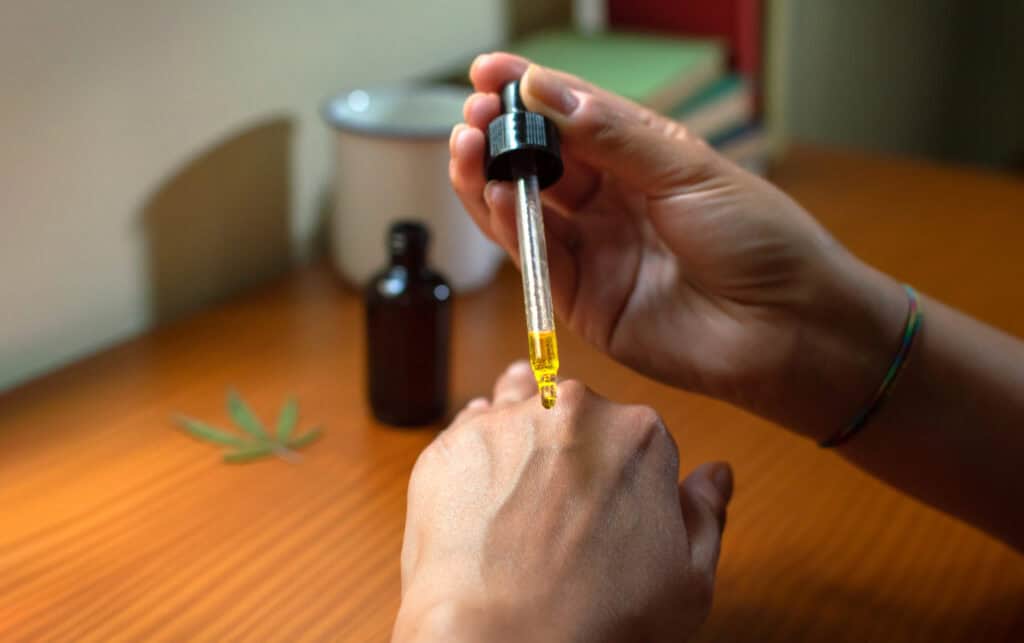
Tinctures are prepared differently. Cannabis is suspended in alcohol, oil or glycerin to extract its bioactive compounds, then administered under the tongue, also called sublingual delivery. When held in the mouth for 30 to 60 seconds before swallowing, some of the active compounds can be absorbed directly through the tissues of the mouth into the bloodstream. As a result, effects often occur more quickly than with traditional edibles while allowing for more consistent and precise dosing than smoking or vaporizing.
Each method of cannabis consumption offers distinct advantages and disadvantages. Factors such as onset time, duration of effects, bioavailability, dosing precision, convenience, personal preference and individual health considerations all influence which option may be most appropriate. For this reason, medical cannabis users often choose different delivery methods depending on the situation. Someone seeking rapid relief from acute pain, nausea or muscle spasms may prefer inhalation because the effects are felt almost immediately. Others managing chronic symptoms throughout the day may favor edibles, capsules, tinctures or other longer-acting preparations that provide more sustained effects. Ultimately, the ideal method depends on your health goals, symptoms, lifestyle and personal preferences. Understanding the differences in onset, duration, dosing and potential side effects can help you make a more informed choice.
The endocannabinoid system
The body’s response to cannabis is rooted in the endocannabinoid system (ECS), discovered by researchers in the 1990s. This discovery revealed a vast network of receptors located throughout your brain, immune system, digestive tract, nervous system, connective tissues and other organs. The ECS helps regulate pain perception, inflammation, mood, sleep, appetite, memory and immune function. The body’s naturally produced cannabinoids, called endocannabinoids, interact with receptors known as CB1 and CB2. Plant-derived cannabinoids found in cannabis appear capable of influencing these same pathways. This unique relationship between the cannabis plant and your body’s own endocannabinoid system forms the biological foundation for the growing use of medical cannabis to help relieve symptoms and improve quality of life.
The Entourage Effect
One of the most significant changes in cannabis over the past several decades involves potency. In the 1970s, marijuana commonly contained THC concentrations of roughly 1 to 4 percent. Today, commercial flower products routinely exceed 20 percent THC, while some products contain even higher levels. This dramatic increase reflects decades of selective breeding focused on maximizing THC production. While higher potency appeals to some consumers who are either chasing a stronger “high” or a product that can confidently replace powerful pharmaceuticals for pain, others question whether the pursuit of ever-increasing THC levels has altered the plant’s natural balance of cannabinoids and terpenes that may contribute to its therapeutic effects. While THC receives most of the public attention, it is only one of well over one hundred identified cannabinoids, many of which appear to exert distinct biological effects.
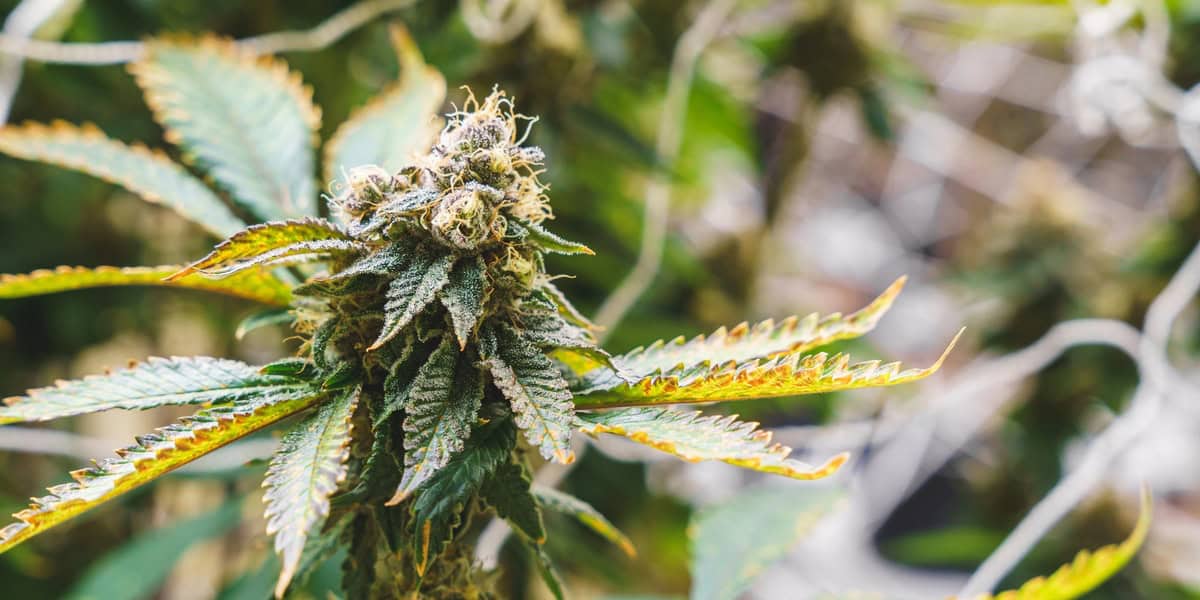
Terpenes, the aromatic compounds responsible for the distinctive scents in different strains of marijuana, also possess biological properties and healing potential of their own. Limonene contributes citrus notes and has been studied for potential tissue-repair properties, pinene produces a pine-like aroma and has demonstrated anti-inflammatory activity, myrcene offers earthy characteristics and has been investigated for analgesic effects, while linalool provides floral, lavender-like scents and has been studied for its calming properties. Together, these compounds not only contribute to the aromatic complexity of the cannabis plant, they influence its medicinal potential. Researchers and clinicians believe cannabinoids and terpenes may work together synergistically through what has become known as the “entourage effect.” The theory proposes that these compounds influence one another’s activity, creating effects that differ from those produced by isolated cannabinoids alone.
The entourage effect may help explain why two cannabis products containing similar THC levels can produce different experiences. In a double-blind, placebo-controlled study conducted by Johns Hopkins in collaboration with the University of Colorado, the terpene d-limonene, commonly found in cannabis, reduced THC-induced feelings of anxiety and paranoia without diminishing THC’s other effects. These findings suggest that certain terpenes may improve the therapeutic experience of cannabis by moderating some of its unwanted side effects.
Does sun-grown cannabis offer advantages?
As the legal cannabis industry has expanded, a debate has emerged between advocates of sun-grown cannabis and those who favor indoor cultivation. Both methods can produce high-quality products, but they are not identical. Outdoor cannabis evolved under the sun for thousands of years. Natural sunlight provides a full spectrum of wavelengths that artificial lighting cannot perfectly replicate. Throughout the growing season, outdoor plants are exposed to changing temperatures, humidity, wind and ultraviolet light, factors that may stimulate the production of cannabinoids, terpenes, flavonoids and other protective plant compounds.
Some researchers believe these environmental influences contribute to a more diverse chemical profile and may enhance the entourage effect. A review titled “Cannabinoids and Terpenes: How Production of Photo-Protectants Can Be Manipulated to Enhance Cannabis sativa L. Phytochemistry” supports this connection, reporting that “increased solar UV radiation results in higher CBDA, terpene, and cannaflavin content…”
Indoor cultivation offers advantages as well. Growers can precisely control light, temperature, humidity, irrigation and nutrients, often producing consistent harvests and higher cannabinoid concentrations. However, some critics argue that the pursuit of maximum THC levels may come at the expense of the plant’s broader chemical complexity. Indoor plants also spend much of their growth cycle in close proximity to electrically powered lighting and equipment. Research in plant biology shows that electric and magnetic fields can influence plant physiology, although whether the exposures typical of indoor cannabis cultivation meaningfully affect its cannabinoid profile, terpene content or safety remains unclear. Indoor cultivation also requires substantially more energy for lighting, ventilation, cooling and dehumidification.
Neither method is inherently superior. The quality of the final product ultimately depends on genetics, cultivation practices, harvesting, curing and storage. Still, many patients and cultivators favor sun-grown cannabis, believing that a plant cultivated under the same sun that shaped its evolution may offer a more complete expression of its natural chemistry.
The Therapeutic Potential of Cannabis
Cannabis has been studied for a wide range of potential therapeutic applications. Chronic pain remains one of the most common reasons patients seek medical cannabis. Unlike opioids, which primarily alter pain perception through opioid receptors, cannabinoids influence multiple processes simultaneously. THC interacts strongly with CB1 receptors found throughout the central nervous system, while CBD appears to modulate inflammation, immune activity, and pain signaling through several mechanisms. Patients report meaningful reductions in moderate to severe pain, nausea, vomiting, anxiety and depression. On August 23, 2023, the Department of Health and Human Services specifically referenced scientific evidence supporting marijuana’s role in pain management when recommending rescheduling saying:
“…an evaluation of available credible scientific support described herein for at least some therapeutic uses identified in the Part 1 test, we find that that, for purposes of the drug scheduling criteria in 21 U.S.C. 812(b), marijuana has a CAMU [current accepted medical use] in the United States for: anorexia related to a medical condition; nausea and vomiting (e.g., chemotherapy-induced); and pain.”
Pain and inflammation often travel together. While inflammation serves as an essential part of your body’s healing response, chronic inflammation has been implicated in numerous conditions including arthritis, autoimmune disease, cardiovascular disease, metabolic dysfunction, and neurodegenerative disorders. Cannabinoids appear capable of influencing inflammation through interactions with CB2 receptors found primarily on immune cells. Laboratory and animal studies suggest cannabinoids may help regulate immune responses and reduce the production of inflammatory signaling molecules, helping explain why patients report improvement in inflammatory conditions.
Researchers have also explored cannabis for other medical conditions. One of the earliest recognized applications involved glaucoma, a disease that damages the optic nerve and remains a leading cause of blindness worldwide. Studies demonstrated that THC can temporarily reduce elevated intraocular pressure, one of glaucoma’s primary risk factors. Although the effect is relatively short-lived and most ophthalmologists view cannabis as an adjunct rather than a replacement for conventional treatment, it remains one of the clearest examples of cannabinoids producing measurable physiological effects.
Perhaps no medical application has changed public perception of cannabis more dramatically than its role in seizure disorders. Researchers eventually demonstrated that purified CBD could significantly reduce seizure frequency in certain rare forms of epilepsy, including Dravet syndrome and Lennox-Gastaut syndrome. These findings ultimately led to FDA approval of a CBD-based pharmaceutical and provided some of the strongest scientific evidence supporting a cannabinoid-derived medicine.
AVFCA spoke with Jason David, a longtime advocate for medical cannabis whose son, Jayden, was diagnosed with Dravet syndrome after experiencing a grand mal seizure at a doctor’s appointment shortly following his six-month Tdap vaccination. According to Jason, by the time Jayden was four years old, he was taking as many as 22 pharmaceutical pills each day, yet continued to experience frequent, debilitating seizures as his health and quality of life steadily declined. Desperate to find another option, Jason turned to medical cannabis. He says that within one month of treatment, Jayden improved enough to begin gradually tapering many of his medications while continuing cannabis therapy. The experience ultimately led Jason to become an advocate for families exploring medical cannabis, although he is careful not to overstate what one family’s experience can demonstrate. “I’m not saying cannabis is a cure-all or anything like that,” he explains, “but what I’m saying is that it can be a huge part of the puzzle.”
Jayden’s experience is one family’s account, not evidence that cannabis will produce similar results for others. It does, however, illustrate why patients and families facing difficult-to-treat conditions have helped drive renewed interest in cannabis as a therapeutic option. Clinical research provides the stronger foundation: a growing body of evidence suggests that cannabis and specific cannabinoids may offer therapeutic benefits for certain conditions, while their use also carries risks that vary by product, dose and individual.
Testing, Labeling, and Consumer Protection
One of the strongest arguments in favor of legalization and regulation is consumer safety. For decades, much of the marijuana consumed in the United States originated from backyard gardens, clandestine indoor grows, imported products, or illegal outdoor operations. While plenty of growers took pride in producing a clean product, there were few standards, little oversight, and no mandatory testing. If a crop developed powdery mildew, mold, spider mites, caterpillars, aphids, or other pests, growers often faced losing an entire harvest worth thousands or even millions of dollars.
To save a crop, some growers turned to fungicides, pesticides, miticides and insecticides, including chemicals that have been documented within portions of the cannabis industry over the years. When cannabis is smoked or vaporized, contaminants present on the flower may also be inhaled directly into the lungs. Because marijuana remains federally illegal, the EPA cannot establish pesticide tolerance levels for cannabis, leaving consumers to evaluate product quality carefully.
Cannabis contamination concerns go beyond pesticides. As a bioaccumulator, it can absorb and retain heavy metals like lead, arsenic, cadmium, and mercury from soil and water. While useful for environmental cleanup, this highlights the need for clean growing conditions and rigorous contaminant testing.
Plants are also often treated with growth regulators and synthetic fertilizers that may further increase contaminant risks. After harvest, improper drying or storage may allow mold and fungal organisms such as Aspergillus to proliferate. Concentrated cannabis extracts can also contain residual solvents if manufactured improperly. These concerns are particularly meaningful if you have a compromised immune system, chronic illness, respiratory condition, or other health challenges.
Legalization has prompted some states, including California, to implement mandatory testing requirements designed to reduce these risks. Today, most regulated cannabis products undergo laboratory screening for cannabinoid potency, microbial contamination, mold, pesticides, heavy metals, and residual solvents before reaching dispensary shelves. Labels often disclose THC and CBD concentrations, serving sizes, ingredients, batch numbers, laboratory verification, and health warnings regarding impairment, pregnancy, or accidental pediatric exposure. These regulations provide consumers with significantly more information and protection than was available in the illicit market. However, black-market products can still appear on dispensary shelves and at unregulated “pop-up” events.
Testing standards, allowable contaminant levels and laboratory protocols vary from state to state. Product recalls still occur, and critics continue to raise concerns about inconsistent testing methodologies and “laboratory shopping,” in which producers seek out labs more likely to deliver favorable potency or contaminant results. Nevertheless, the regulated market has generally improved transparency and accountability, giving you access to information that was largely unavailable when cannabis was produced and sold outside the legal system.
If you’re seeking the cleanest available cannabis, look for third-party organic-equivalent certifications such as Clean Green Certified or California’s OCal program, along with independent lab testing that goes beyond basic state requirements. Since cannabis cannot carry a USDA Organic label, these programs verify cleaner growing practices through farm inspections, soil and input reviews, and rigorous testing. The highest-quality products should include expanded screening for hundreds of contaminants. Look for transparency, full-panel lab results, and cultivation practices focused on clean soil and regenerative methods.
Like any biologically active substance, cannabis is not without risks. Although many people use marijuana without developing problems, dependence and cannabis use disorder can occur, particularly with frequent use of high-potency products. You may develop tolerance over time, requiring larger amounts to achieve the same effects, or experience withdrawal symptoms such as irritability, sleep disturbances, anxiety, decreased appetite, or mood changes when attempting to stop.
Smoking cannabis also carries respiratory risks, as combustion produces the same irritants and particulates found in other forms of smoke. While cannabis smoke differs chemically from tobacco smoke, inhaling any burned plant material can irritate the lungs and airways. If you’re seeking potential therapeutic benefits without intoxication or concerns about feeling “high,” CBD, the non-intoxicating compound found in cannabis, may be worth exploring. CBD is commonly used for concerns such as anxiety, sleep difficulties, inflammation and pain, although evidence for its effectiveness varies by condition.
If you’re exploring cannabis for serious therapeutic needs, full-spectrum, organically grown products are one option because they retain a broad range of the plant’s naturally occurring compounds, including multiple cannabinoids and terpenes, rather than isolating a single compound such as THC or CBD. Depending on the condition and individual response, moderate-to-higher levels of THC are sometimes used for severe injury-related pain, cancer-related pain, neuropathy or appetite loss and nausea associated with treatments such as chemotherapy. The presence of CBD may complement THC’s effects by supporting relaxation and reducing THC-related effects such as anxiety, overstimulation or mental fog in some people. Because higher-THC products also increase the risk of impairment, tolerance and unwanted effects, start with the lowest effective amount and adjust carefully, paying close attention to product quality, testing and your personal response.
Beyond the Smoke
Few substances have traveled a stranger path through American history than cannabis. Once a foundational resource, later demonized as a social menace, and now increasingly recognized for its therapeutic potential, marijuana has spent much of the past century caught between politics, culture, economics, and science. The result has been decades of confusion, controversy, and often contradictory public policy.
Today, the conversation has shifted from ideology toward evidence. Medical marijuana is now legal in many states, and millions of Americans use cannabis under the guidance of healthcare practitioners for conditions ranging from chronic pain and inflammation to epilepsy, cancer-related symptoms and other debilitating illnesses. While cannabis is not without risks, neither are many of the pharmaceuticals routinely prescribed for those same conditions. In fact, some patients and physicians have found that cannabis may help reduce reliance on medications such as opioids, benzodiazepines and certain sleep aids, each of which carries significant risks of dependence, overdose, adverse effects and withdrawal.
As with any medicine, cannabis should be approached thoughtfully and used responsibly. Informed consent requires access to accurate information about both benefits and risks, not fear-based propaganda on one hand or exaggerated claims on the other. Adults are routinely trusted to make decisions about substances that carry substantial health risks, including alcohol, which contributes to more than 100,000 deaths each year in the United States while marijuana has not been linked to fatal overdose. Whether you choose to use cannabis is ultimately a personal decision, but it is increasingly difficult to argue that a substance with recognized medical applications should remain inaccessible to people who may benefit from it.
Perhaps the most important lesson from the cannabis story is not about marijuana itself, but about the importance of allowing science, evidence, and personal liberty to guide public policy. The truth, as is often the case, lies somewhere between the extremes. Cannabis is neither the miracle cure portrayed by its most enthusiastic advocates nor the societal menace depicted by twentieth-century prohibition campaigns. It is a powerful plant with genuine healing potential, real limitations and some legitimate risks. Like many public health stories, the history of cannabis reminds you that science evolves, policies change and today’s assumptions deserve the same careful scrutiny as yesterday’s.
The challenge moving forward is not deciding whether cannabis is good or bad, but ensuring that you have the freedom, information and access needed to make informed choices about your own health. You should not be forced to wait until you are terminally ill to exercise your “right to try“ therapies that have demonstrated scientific promise or documented clinical benefits. When credible evidence supports a treatment’s potential to improve quality of life or relieve suffering, you and your healthcare provider should have the opportunity to consider it without first exhausting every other option while suffering continues.
~
Published on August 13, 2026.
If you’ve found value in this article, please share it!
To support the research and health education of AVFC editorial, please consider making a donation today. Thank you.