






By Jennifer Wolff-Gillispie HWP, LC
EDITOR’S SUMMARY: Plant compounds aren’t decorative extras on your plate. They’re survival chemistry. The same molecules plants produce to defend against sun, environmental pressures and disease interact with human biology in powerful ways, influencing inflammation, metabolism, immunity and even gene expression. From everyday foods to the origins of modern drugs, the message is simple: what plants make to function and adapt can also shape how the body responds and stays resilient.
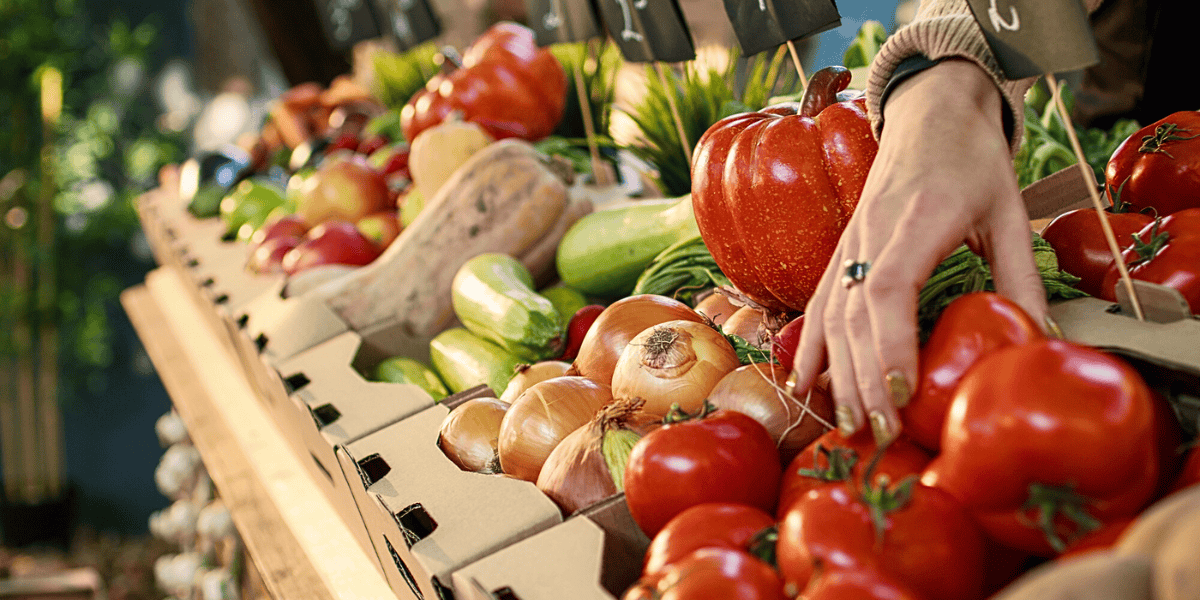
Walk through a vibrant farmers’ market or a sun drenched garden, where you are immediately enveloped in a symphony of senses: the deep purple of a ripe plum, the peppery bite of horseradish, the crisp scent of fresh basil. What may seem like mere aesthetics or a culinary fad is, in fact, a sophisticated biological language, an ancient botanical code embedded in phytonutrients. Plants lack claws, teeth, or legs. They do not flee predators or chase food. Instead, they evolved chemical compounds that allow them to thrive in a wild world. Remarkably, these same molecules support human health in extraordinary ways.
Plants Speak in Chemistry
In an episode of New Frontiers in Functional Medicine® with Dr. Kara Fitzgerald and Dr. Deanna Minich, Dr. Minich emphasizes the mantra “eat a rainbow,” and for good reason. Far from passive, plants deploy a powerful arsenal of molecules, from vibrant pigments and alluring scents to strong bitter notes and even invisible agents, all alive with biological activity and shielding them from pests, pathogens and predators. As Dr. Conan Shaw, Certified Clinical Nutritionist, observes:
“You might be surprised to find the medicine that is available to improve your condition is found right in your daily intake of fruits, veggies, whole grains, and herbal teas.”
Plants produce protective and beneficial substances to resist ultraviolet light, repel herbivores, fend off microbes, or attract pollinators. Scientists now understand that these plant compounds are far more than pigments or fragrances. They are bioactive messengers, able to turn human genes on or off, modulate the immune system, activate enzymes, and shape the gut microbiome. Put another way, what helps a tomato survive a caterpillar attack may also help your cells resist inflammation, infection or even cancer. In the Journal of Agriculture and Food Research, the authors of the study “Food phytochemicals as epigenetic modulators in diabetes: A systematic review,” make this claim:
“Emerging evidence highlights the role of food-derived phytochemicals such as resveratrol, curcumin, and sulforaphane as epigenetic modulators capable of influencing gene expression through DNA methylation, histone modifications, and non-coding RNA regulation… Findings indicate that phytochemicals may improve insulin sensitivity, enhance β-cell survival, and mitigate inflammation via epigenetic reprogramming.”
So what does this mean? Put simply, even if you have a genetic propensity toward disease, eating a diet with a full spectrum of phytonutrients can “reprogram” your body epigenetically, helping it manage blood sugar and inflammation in ways that protect against chronic disease. Further, an analysis completed by the British Journal of Medical Practitioners states:
“…the World Cancer Research Fund and other academic bodies, report that individuals eating phytochemical-rich foods have a lower risk of cancer or relapse after treatments.”

Library of Phytonutrients
Phytonutrients is the umbrella term scientists give to this vast molecular collection, a treasury of bioactive elements that plants produce to navigate their environment. Each family has its own distinct chemistry with dozens of individual constituents, evolved for specific tasks in nature, yet each also offers surprising benefits for you, helping calm inflammation, neutralize free radicals, defend against pathogens, and fine-tune metabolism. Here’s a broad, though incomplete glimpse into nature’s apothecary, organized by color and chemical family, showing how each group supports not only plant resilience, but your own health.
A color-coded guide to plant chemistry
Purple and Red (Anthocyanins & Lycopene): The deep jewel tones of reds, purples and blues in foods like berries, cherries, red cabbage and eggplant come from anthocyanins, which help plants manage environmental stress while supporting cognitive and cardiovascular health in the body. Lycopene, the red pigment abundant in tomatoes and watermelon, helps protect skin from UV damage and may support prostate health. Both are potent antioxidants with anti-inflammatory properties, supporting heart, gut, metabolic and brain health, along with antiviral and antifungal defenses.
Dark Red (Betalains): The deep crimson hues of foods like beets and prickly pears come from betalains, which help plants manage cellular strain and, in you, temper inflammatory responses and may enhance athletic performance by improving oxygen utilization.
Orange and Yellow (Carotenoids, beta-carotene, lutein, zeaxanthin): The warm oranges and yellows that color pumpkins, peppers and tomatoes come from carotenoids, which in plants serve as shields against the sun’s ultraviolet rays, helping maintain cellular integrity. In you, they fortify the eyes, skin and immune system, acting as internal protectors against the slow wear of oxidative stress and supporting cognitive function. Plants contain more than 700 known carotenoids, each bioactive and pleiotropic, meaning they can influence multiple systems in the body.
The vibrant oranges of beta-carotene and beta-cryptoxanthin convert to vitamin A for sharp vision and resilient immunity, while the bright yellows of lutein and zeaxanthin, found in leafy greens (the yellow pigment is masked by green chlorophyll) and egg yolks, protect the eyes from blue-light damage and age-related decline. Other carotenoids, like the pink-orange of astaxanthin found in algae and pink seafood, provide antioxidant defense and help support mitochondrial health.
Green (Chlorophyll & Glucosinolates): Rich in this light-capturing pigment, foods like spinach, kale, broccoli and other leafy greens glow with the color of life, capturing sunlight to fuel the plant. In your body, they help detoxify, defend against cellular stress and may even reduce cancer risk through compounds like sulforaphane, which flips on the body’s master antioxidant switch and supports healthy gene activity. Glucosinolates activate liver detox pathways, reduce inflammation and offer anticancer, antimicrobial and antiviral support.
From pigments to protection
White and Brown (Anthoxanthins, Allicin, Organosulfur): Brown-hued foods such as tea, coffee, cocoa and nuts are abundant in tannins and polyphenols, plant defense constituents that also protect human health by strengthening blood vessels, influencing inflammatory signaling, and supporting beneficial gut microbes. White foods, though pale, pulse with strength. Garlic, onions and cauliflower contain allicin, quercetin and glucosinolates, nature’s antimicrobial and antitumor powerhouses. Both help shield plants from microbial attack and, in you, provide antioxidant support while supporting immunity, cardiovascular health and detox pathways.
Alkaloids: Bitter, nitrogen-containing agents like caffeine, nicotine, quinine, berberine and capsaicin are found in plants such as chili peppers and medicinal herbs including goldenseal, barberry and cinchona bark and offer strong antimicrobial and antiparasitic benefits while supporting gut health and blood sugar regulation. Many also influence the brain, enhancing alertness, memory and cognitive performance.
Saponins: Known for their foaming, soap-like properties that help support immune function, these compounds are found in plants like soybeans, fenugreek, ginseng and licorice root as well as legumes such as chickpeas and lentils. They promote gut health by encouraging beneficial bacteria while also acting against pathogenic overgrowth. They exert antioxidant effects, helping quell inflammation and neutralize oxidative stress.
Terpenes: The volatile substances that perfume citrus zest, pine needles, lavender blossoms and rosemary sprigs as well as herbs and spices like mint, thyme and basil do more than please the senses. These fragrant chemicals, responsible for a plant’s unique scent and flavor, repel hungry insects or beckon pollinators. In your body, the same signals calm the nervous system, temper inflammation, sharpen memory, fend off microbes, shield cells from oxidative harm and boost the liver’s detox pathways.
Polyphenols: (Catechins, stilbenes including resveratrol, tannins): They form a diverse family, found across tea, grapes, extra-virgin olive oil, flax, berries, dark chocolate and many colorful fruits. In the plant kingdom, these compounds act as natural sunscreens and protectants against microbial invaders. When you consume them, they guard DNA, preserve vascular health, improve insulin sensitivity, stabilize glucose metabolism and support your microbiome.
Flavonoids: These pigments and plant defenses give tea its bite, onions their sharpness and cocoa its depth and are widely present in apples, citrus fruits and many herbs. In plants, they chelate metals, protecting leaves and roots from heavy-metal toxicity while also defending against UV stress and pathogens. In humans, flavonoids bind certain metals, helping reduce oxidative stress, stabilize blood vessels, calm inflammation and support detoxification. By helping protect cells from age-related stress, they contribute to metabolic balance and overall resilience throughout the body.
When Plants Become Medicine
Decades before researchers began characterizing antioxidants and phytochemicals, pioneer Ann Wigmore was already pointing in the same direction. She championed fresh greens, sprouts and “living foods,” believing that plants carried restorative properties the body could readily use. The language was different then, less molecular and more intuitive, but the message echoes today’s science: the closer food remains to its natural state, the more it supports the body’s own repair systems. Her work later gave rise to the Hippocrates Health Institute, where those principles took root in a more formal setting and food itself became the foundation of care.
Around the same era, physician Max Gerson was also advancing food-centered ideas focused on the body’s internal environment, work that later evolved into the Gerson Institute, now stewarded by his daughter, Charlotte Gerson. Much of what they observed through practice is now understood through molecular science. These compounds are not vitamins or minerals in the usual sense. They are biologically active substances with medicinal effects, so potent that many modern drugs trace their origins to them.
Willow bark offers a classic example. Its salicin compounds, a phytonutrient classified as a phenolic glycoside, protect the plant from insects and pathogens, but humans discovered that salicin could relieve pain and reduce fever. This ancient remedy eventually led to the development of aspirin, a cornerstone of modern medicine.
Foxglove tells a similar story. Its cardiac glycosides, bitter compounds that deter herbivores, were historically used with care to treat heart conditions, and today derivatives like digoxin are still prescribed for certain forms of heart failure. A different example comes from the Pacific yew tree. It contains taxol (paclitaxel), a terpene that defends the tree against fungal attack. Taxol later became a breakthrough chemotherapy drug for breast, ovarian and lung cancers.
Turmeric, long used in Ayurvedic medicine, produces curcumin, which shields the plant from microbial invasion. In humans, it acts as a potent anti-inflammatory and antioxidant, with emerging roles in cognitive and cardiovascular support. Garlic, loaded with allicin, defends the bulb from bacteria and fungi while providing antimicrobial, cardiovascular and immune-boosting benefits that have long been used medicinally. For plants, these compounds are weapons of survival. In you, they function as nature’s antibiotics, antivirals, antifungals and antiparasitics, gentle enough to incorporate into daily life and powerful enough to support health at the cellular level.
Anti-Nutrients
Some substances that plants produce, including oxalates, phytates, tannins and lectins, have long been labeled “anti-nutrients” because they can interfere with mineral absorption, digestion or, in specific contexts, contribute to kidney stone formation. In concentrated or poorly prepared forms, these effects can matter. How these substances behave depends on context and individual response.
Phytates, for example, bind minerals, but they also act as antioxidants and may reduce the risk of kidney stones and cancer. Tannins, which give tea and wine their astringency, can inhibit iron absorption but also offer antimicrobial and anti-inflammatory effects. Lectins, long maligned, are now being studied for their potential roles in immune modulation and even cancer therapy. Traditional practices like soaking, sprouting, fermenting and cooking often reduce their harsher effects, suggesting that cultures learned to work with them rather than eliminate them.
In other words, what looks like a flaw in the plant’s chemistry may actually be another adaptive nudge, a reminder that small amounts of challenge, or hormesis—the strengthening response to mild stress—can make biological systems more resilient. These “anti-nutrients” may be training molecules that keep your digestive and immune systems alert. Yet their consumption calls for awareness and moderation, as each body responds differently and excess can tip the scale. As with all potent substances, dosage plays a key role in determining whether they help or harm. Keeping this in mind, remember the words of Paracelsus (Renaissance physician and philosopher, dubbed the “father of toxicology”): “All things are poison, and nothing is without poison; the dosage alone makes it so a thing is not a poison.”

An Ancient Partnership
When you trace this story back through time, a breathtaking picture emerges. Plants and humans have always been entwined. Before pharmacies and prescriptions, healing began with food. Before modern medicine, there were forests, fields and gardens. Your ancestors may not have known the molecular names, carotenoids, flavonoids, terpenes, but they knew the power of color, flavor and fragrance. Mark Hyman, M.D., gives this dietary advice: “At least 75% of your plate, by volume, should be filled with colorful plant foods.”
One of the simplest ways to tap into this molecular library is to, as Kara Fitzgerald and Deanna Minich often say, eat the rainbow—not as a rule of color, but as a shorthand for biochemical diversity. This is not just a poetic suggestion but a biological truth. A plate dominated by beige ultra-processed foods tells your body little, while a plate alive with colors, flavors and aromas whispers thousands of survival cues. Your cells respond, your microbiome shifts, your immune system sharpens. What was once only survival code for plants becomes an instruction manual for your resilience.
This is more than nutrition. It’s reciprocity. Plants offer you their survival molecules, and in return, you carry their seeds, cultivate their varieties and help ensure their lineage continues. It’s a partnership written in chemistry, reaffirmed every time you sit down to eat.
And now, a new chapter is possible. Through initiatives like Make America Healthy Again, there is the chance to turn the tide on the chronic diseases that have run rampant in the country, including type 2 diabetes, heart disease, obesity and cancer. By reshaping what you put on your plate, prioritizing phytonutrient-rich, colorful, whole foods, you are not just feeding yourself, you are helping reshape collective health, reclaiming strength for communities and creating a future where disease is the exception, not the norm. Every bite becomes an act of transformation—personal, societal and historic.
~
Published on February 05, 2026.
If you’ve found value in this article, please share it!
To support the research and health education of AVFC editorial, please consider making a donation today. Thank you.