






By Kirsten Steinman
EDITOR’S SUMMARY: Emerging research suggests that early human access to nutrient-dense shellfish may have played a meaningful role in cognitive development—and oysters remain one of the most concentrated sources of brain-supporting nutrition available today. Packed with vitamin B12, zinc, copper, DHA and taurine, they deliver nutrients that support brain function, mood, immunity, hormonal health and gut integrity. Researchers continue to explore their potential role in supporting BDNF—a key factor in neuroplasticity and resilience—alongside applications in bone health, thyroid function and gut repair.
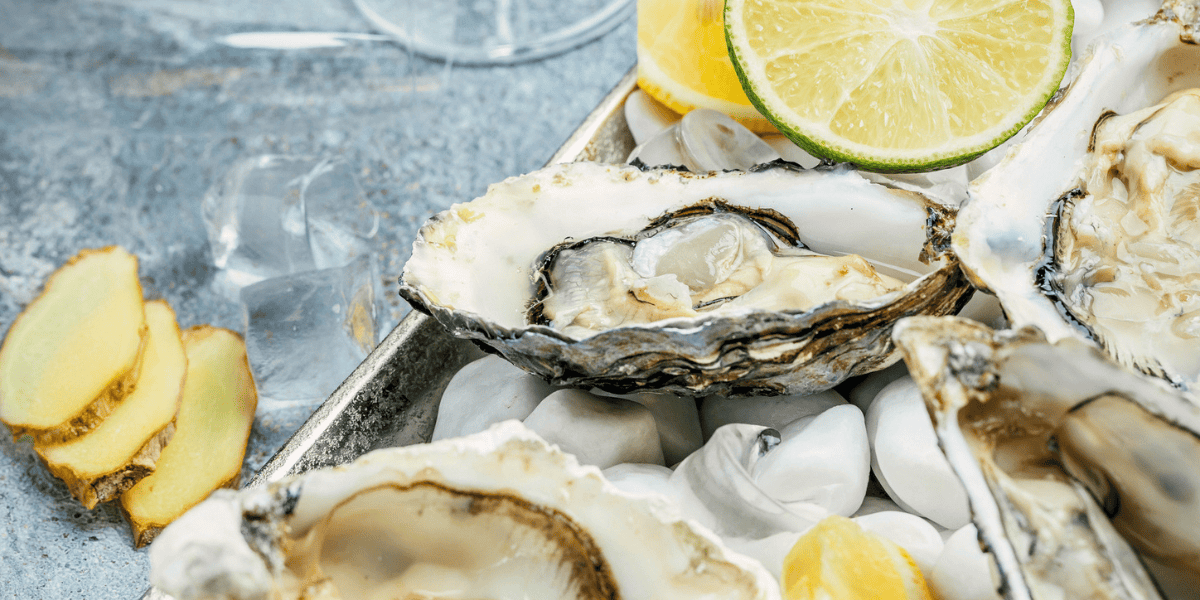
Excavations of a cave along the southern coast of Africa reveal something astonishing—early humans were eating shellfish as far back as 164,000 years ago. At the time, this kind of underwater foraging was less about culinary curiosity and more about survival. But what may have begun as necessity appears to have delivered an unexpected evolutionary advantage. Researchers now propose that access to nutrient-dense marine foods helped fuel the rapid expansion of the human brain. It’s not that oysters alone are responsible for the ingenuity that defines the species, but they may have provided key building blocks at a critical moment in its unfolding. And in that sense, these unassuming creatures—clustered on rocks, filtering seawater—may have played a far more significant role in history than they tend to receive credit for. And that’s just the beginning.
The Case for Nutrient Density
Oysters, along with other bivalve mollusks like clams and mussels, continue to stand out as some of the most wholesome foods available. What makes them particularly interesting is their concentration of nutrients that are otherwise difficult to obtain in consequential amounts—the very ones early humans may have struggled to source inland. Often referred to as “nature’s multivitamin,” they are packed with iron, zinc, copper, long-chain omega-3 fatty acids (like docosahexaenoic acid, or DHA), high-quality protein, and amino acids such as taurine and vitamin B12—nutrients that sustain everything from immune defense to energy production.
DHA in particular is a structural component of the brain, especially within the cerebral cortex, the region responsible for memory, language and complex thought. Unlike many common foods, oysters deliver concentrated nutrition without empty calories or additives. The human brain is an incredibly energy-intensive organ. It requires a steady supply of very specific nutrients to grow and function properly. Consistent access to foods rich in these nutrients and bioavailable minerals may have supported early human cognitive advancements—tool use, communication and eventually the development of culture itself.
Animal foods tend to provide nutrients in forms the body can readily absorb and utilize, whereas many plant foods—such as spinach or raw nuts—contain compounds like oxalates and phytates that can bind to minerals and reduce their absorption, unless properly prepared through methods like soaking, sprouting or fermenting. Some scientists, such as Curtis Marean, who studied cave-dwelling societies in South Africa for over twenty years, hypothesize that oysters helped Homo sapiens dominate the planet over all other species of genus Homo—like Neanderthals and Erectus—by expediting their transition from early human to a modern one. Marean says:
“Shellfish may have been a critical food source for the survival of early human populations. For millions of years, humans survived on inland plants and animals. Shellfish was one of the last additions to the human diet before the introduction of domesticated plants and animals at the end of the ice age, also called the Pleistocene. It is possible that this population could be the progenitor population for all modern humans.”
While no single food can fully explain mankind’s transformation, oysters offer a provocative piece of the puzzle. What’s remarkable is how little you actually need: just two to four oysters can provide a full day’s worth of several essential nutrients. At present, most diets are built on abundance—people are overfed but undernourished. Despite consuming enough calories, many still fall short on key micronutrients. In this landscape of nutritional dilution, oysters are notable for their density. Thankfully, modern options like pure oyster powder and freeze-dried oyster extract preserve delicate amino acids and other bioactive components, so you can enjoy their benefits regularly without having to visit your local oyster bar or fish market.
The biological demands of human cognition have changed very little over time. The same vitamins and minerals that once propelled the growth of the human brain are still required to maintain its function. While some research suggests that IQ scores have flattened in recent years—as a result of shifts in environment, technology and culture—this raises broader questions: have humans fully tapped their cognitive potential? And could nutrient-dense foods like oysters play a meaningful role in supporting mental performance today?
What’s Inside the Shell
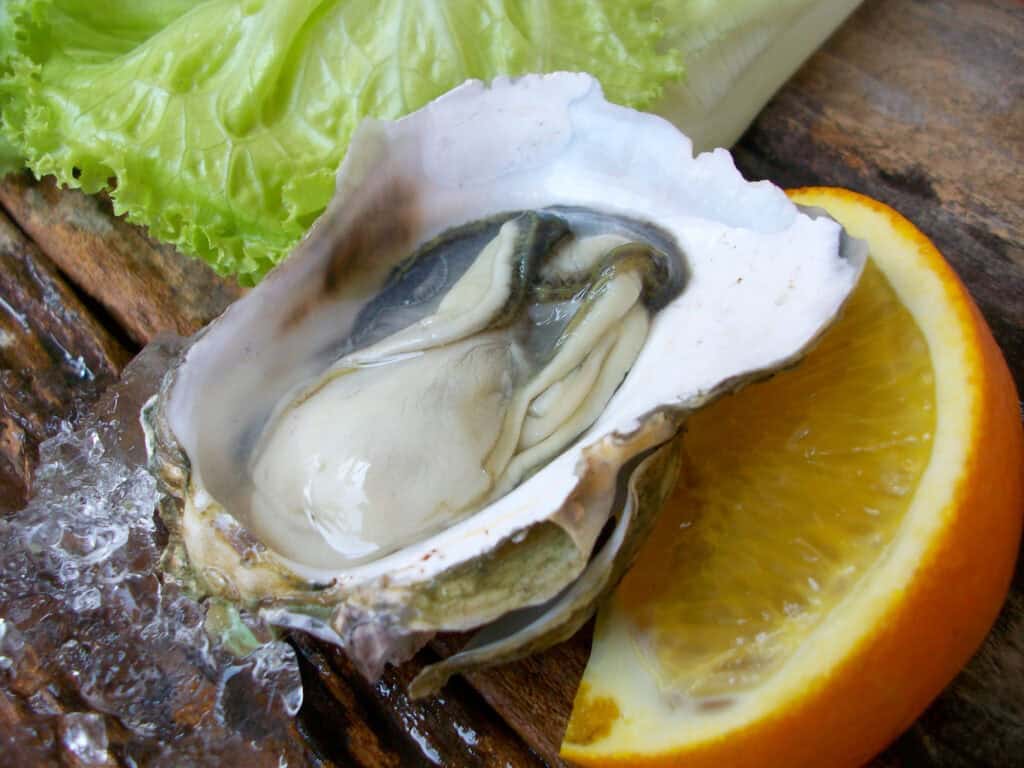
Much of oysters’ reputation comes down to vitamin B12. They are among the richest sources available, with a single serving of three to six medium oysters providing up to 1,000 percent of your daily requirement. B12 plays a central role in nerve health, red blood cell formation and overall brain function. If your levels drop, the effects are not subtle—fatigue sets in, memory falters and even basic mental tasks can feel overwhelming. Because B12 is involved in the production of red blood cells, it also influences how efficiently oxygen is delivered throughout your body. The brain, being highly metabolically active—it accounts for only two percent of overall body weight but consumes twenty percent of total resting oxygen—is particularly sensitive to even small disruptions in oxygen supply.
This is just one part of the equation. Oysters provide omega-3 fatty acids that help build flexible, resilient brain cell membranes while reducing inflammation. Zinc plays a role in neurotransmitter signaling and has been linked to memory and learning. Selenium acts as a protective agent against oxidative stress, while iron and copper support oxygen transport and energy production at the cellular level. When you take a step back, the picture that emerges is remarkable: this is a food designed, almost perfectly, to support the human brain.
Copper deserves attention, and oysters are among the richest dietary sources of this trace mineral. According to Morley Robbins, creator of “The Root Cause Protocol,” copper not only boosts antioxidant defense, but it also works alongside iron and magnesium to help regulate how oxygen is utilized within the mitochondria—the microscopic structures responsible for generating cellular energy. Robbins argues that it is copper, not iron, that is the body’s innate healer, and that what might look like an iron deficiency may actually reflect poor copper availability and impaired iron recycling. Current agricultural practices that deplete nutrients from the soil—such as the use of glyphosate, synthetic additives and highly processed foods—contribute to declining copper levels in the modern diet. In this context, oysters stand out: two cooked oysters provide up to 140 percent of the daily recommended intake.
Oysters’ nutritional benefits also extend to emotional well-being. Deficiencies in key nutrients such as B12, zinc and omega-3s have been associated with changes in disposition, energy and inner resilience. Once you begin to correct these shortages, you may notice your mood stabilizing, your body feeling more energized and your focus sharpening. This intersection between diet and mental health has gained increasing attention in the field of nutritional psychiatry.
Psychiatrist and founder of the Brain Food Clinic in New York, Dr. Drew Ramsey explores how dietary inputs influence brain function and mental health. He highlights nutrient-dense options—including oysters, which he refers to as “perfect brain food”—as powerful contributors to overall well-being. In an effort to better understand which nutrients matter most for fending off cognitive decline, Ramsey analyzes top scientific research and ranks foods based on the minerals and vitamins most strongly connected with preventing and treating depression. The result is his “antidepressant food scale,” on which oysters and mussels rise to the top among animal sources for their potential to support new cell growth in the hippocampus. —the region of the brain central to learning and memory.
“Nutritious diets actually keep brain-ageing at bay, meaning you live a more vibrant life,” Ramsey says. “This is crucial in midlife. If you look at the data, it’s not adolescents who have the worst mental health, it’s people in midlife, particularly white middle-aged men, in terms of depression and suicide.”
Dr. Ramsey emphasizes whole foods such as oysters over multivitamins, and believes that antidepressants fail to address the fundamental problem by focusing on serotonin rather than brain-derived neurotrophic factor (BDNF). “Numerous studies show that patients with major depression and anxiety disorder have lower BDNF levels than those without such diagnoses.” Oysters and their extracts may play a role in boosting BDNF and supporting the brain’s ability to strengthen or weaken connections over time.
From Fertility to Immunity
There’s a familiar, and slightly controversial, claim attached to oysters: their role as an aphrodisiac. For centuries, they have been associated with desire, and while the folklore runs deep, biology offers at least part of the explanation. Zinc plays a central role in regulating dopamine, a neurotransmitter tied to pleasure, motivation and libido. Oysters happen to be the richest dietary source of zinc, with even a small serving exceeding daily requirements several times over. In men, zinc is essential for testosterone production and sperm health, and inadequate amounts have been linked to reduced fertility. In women, it supports hormone balance and reproductive function. Just six oysters can deliver more than 180 percent of your daily zinc and over 400 percent of your B12 —nutrients that contribute to hormone regulation, ovulation and sperm production. When the body has what it needs, these systems can function more efficiently.
Zinc’s reach extends well beyond reproduction. It plays a critical role in over 300 enzymatic reactions in the human body, influencing immune function, DNA synthesis and wound healing, as well as the development and activation of T cells—essential for identifying and eliminating viral and bacterial pathogens as well as tumor cells. Because the body does not store zinc, consistent intake is necessary. Adding to this, compounds like phytic acid—found in grains and legumes—can reduce its absorption, making mild deficiency more common than expected.
Once considered rare, zinc deficiency is now surprisingly widespread in both developed and developing countries. It’s especially common among older adults—affecting up to 45 percent of those over 60—as well as women of reproductive age, due to menstruation and typically lower dietary intake. Signs of deficiency can be subtle at first: some hair loss, a diminished sense of taste, dry or irritated skin and getting sick more often than usual. The recommended daily allowance is 11 mg for men and 9 mg for women—an amount you can meet with just two oysters, which provide about 11 mg of zinc.
Zinc also helps maintain the integrity of the gut lining by supporting tight junction proteins, reducing intestinal permeability and inflammation, and preventing undigested food or harmful pathogens from entering the bloodstream. As a structural component, zinc reduces inflammation and oxidative stress while promoting beneficial bacterial diversity. In the event that your mucosal lining is damaged—whether by stress, illness or even a night of less-than-ideal food choices—zinc helps drive the repair process by promoting the regeneration of epithelial cells that form the protective barrier. Compounds naturally found in oysters, including omega-3s and bioactive polysaccharides—complex carbohydrates that regulate immune response and boost antioxidant activity—may further support gut health and microbial balance.
The thyroid offers yet another example of oysters’ reach. This butterfly-shaped endocrine gland depends on iodine and zinc for hormone production, while selenium helps convert thyroxine (T4)—the primary hormone produced and released by the thyroid gland, and a key regulator of metabolism, growth, temperature and energy expenditure—into its biologically active form, triiodothyronine (T3). When deficiencies in these nutrients occur, thyroid function can become impaired, leading to fatigue, weight changes and metabolic slowdown. Oysters address all three needs in one compact package.
Bone health may be the least expected entry on oysters’ nutritional résumé—yet the evidence is compelling. They provide a high concentration of calcium, phosphorus, vitamin D and protein—key building blocks of bone formation and maintenance. Working together, these components stimulate osteoblasts, the cells responsible for building new bone and strengthening existing tissue, while also contributing to collagen production, which gives bone and cartilage their resilience. Research published in Nutrients suggests that fermented oyster extract may help prevent bone loss following an ovariectomy—the surgical removal of the ovaries.
“Among marine organisms, oysters contain diverse bioactive compounds with antioxidant activity. A recent study on bone growth revealed that both oyster extract and taurine, a main component of oysters, can improve various bone parameters including bone volume/tissue volume, trabecular thickness, and trabecular number and can increase growth plate thickness in a mouse model.”
One compound of particular interest is taurine, an amino acid found in especially high concentrations in oysters—every 100 grams of raw oyster meat contains approximately 396 to 700 mg. Taurine acts as an antioxidant, supports cardiovascular function and aids digestion through bile salt formation. A study in Food Science & Nutrition, “Oyster broth concentrate and its major component taurine alleviate acute alcohol‐induced liver damage,” suggests it may also protect against liver injury, including fatty liver and fibrosis.
Of course, preparation matters. Consuming oysters raw ensures their full nutrient profile, but that benefit comes with a risk. The old rule of only eating oysters in months containing the letter “R”—which excluded the warmer summer months of May, June, July and August—no longer applies in the United States, thanks to aquaculture and strict safety monitoring. But oysters are natural filter feeders and can accumulate Vibrio vulnificus, a potentially harmful bacterium that thrives in warm coastal waters. Infection can cause serious and even fatal illness, with symptoms including vomiting, diarrhea and fever. For this reason, the Centers for Disease Control and Prevention recommends cooking shucked oysters using one of the following methods:
- Frying in oil at 375 degrees for at least three minutes
- Boiling for three minutes or longer
- Baking at 450 degrees for ten minutes
- Steaming—add to an already-steaming pot and cook for another four to nine minutes
- Broiling three inches from heat for three minutes
Some fragile nutrients—including certain B vitamins, omega-3 fatty acids and bioactive compounds—can be diminished by heat. Of the methods above, steaming tends to preserve more of these compounds since the oysters are not submerged directly in boiling water.
Oysters have always carried a certain mystique, bordering on dare and delicacy—and the question of how to prepare them is nearly as old as the practice itself. Jonathan Swift, who famously admired the “bold man” who first tried one, offered his own method in Gulliver’s Travels in 1726: “Take oysters, wash their shells clean, then put the oysters into an earthen pot, then put the pot into a kettle of water, and let them boil. Your oysters are boiled in their own liquor and not mixed with water.” For most purposes today, simple is still best. Consider a squeeze of fresh lemon or a dab of hot sauce rather than breading or deep-frying. When buying oysters, look for tightly closed shells and discard any that don’t open during cooking. Avoid overcrowding them in the pot, which can lead to uneven cooking. As with most seafood, freshness matters—the closer you can get to the source, the better.
Water quality matters not only for freshness and flavor but also for toxin exposure. Because oysters filter large volumes of seawater, they can accumulate environmental pollutants—including trace amounts of arsenic, mercury, lead and cadmium—when grown in contaminated waters. Concentrations vary depending on proximity to industrial runoff or shipping activity. Source oysters from well-monitored estuaries and coastal waters far from heavily industrialized or urbanized areas to minimize exposure. In the United States, both commercially farmed and commercially harvested wild oysters are routinely regulated and tested for water quality. The greater risk comes from recreationally harvested wild oysters, which are not subject to the same oversight and may come from waters that haven’t been tested for contaminants. Compared to large predatory fish such as tuna and swordfish, oysters contain substantially lower levels of mercury. They are also rich in selenium, which may help counter some of the oxidative stress associated with heavy metal exposure.

Better for You, Better for the Ocean
As it turns out, oysters are also one of the most environmentally regenerative foods on the planet. As natural sieves of the sea, they continuously cycle the water around them, removing excess organic matter such as algae and particulate matter, improving water quality and clarity in the process. A single oyster can filter up to 50 gallons of water per day.
Over time, their shells accumulate and form reefs that create habitats for a wide range of marine life, from tiny crustaceans to large fish species. These reefs support biodiversity and stabilize ecosystems. Remarkably, oysters require no freshwater, feed inputs or arable land to grow. There are very few protein sources that can claim to actively improve their environment simply by existing in it. And yet, despite their resilience, oyster populations have declined significantly due to pollution and overharvesting. Restoration efforts are underway—because as it turns out, oysters represent something much larger than was once recognized.
In a world rich in options, it’s easy to overlook these humble creatures. But as you move toward greater wellness—paying attention to how you feel, how you function and how your choices affect the systems around you—there’s something compelling about returning to the sources of nourishment that supported human evolution in the first place.
Your early ancestors stumbled upon something powerful without fully realizing it. There was no nutrition science to guide them, no language for vitamins or fatty acids—just the basic pull of survival. And once their bodies had a taste, they didn’t forget it. Only a fraction of the ocean has been explored, and yet these small shellfish continue to shape humankind in ways both visible and unseen.
Consider reaching for an oyster—not just as a meal, but as a small act of alignment with your biology and the planet. And if you can, take it one step further: return the shells to a local restoration program, where they can become the foundation for new reefs and continue the cycle they’ve sustained for centuries.
~
Published on June 04, 2026.
If you’ve found value in this article, please share it!
To support the research and health education of AVFC editorial, please consider making a donation today. Thank you.