






By Jennifer Wolff-Gillispie HWP, LC
EDITOR’S SUMMARY: From ancient ritual to modern research, frankincense has long been valued for its medicinal and spiritual significance. An exploration of the resin’s complex chemistry, its effects on inflammation and tissue repair, and growing scientific interest in its therapeutic potential offers insight while acknowledging what remains unknown.
Among the treasures of ancient times, frankincense may be the most mysterious. Best known as a gift brought to the baby Jesus by the Magi—mystical starwatchers from the East—this prized resin was once worth its weight in gold. Long before that night in Bethlehem, frankincense had been used in coronations, rituals, and funerals meant to guide the soul into the afterlife. Its very name, “frankincense,” literally means “pure incense,” reflecting its revered role in sacred offerings and rites.
One fall evening in 1922, the modern world bore witness to this reverence: Howard Carter, the famed Egyptologist, together with his patron Lord Carnarvon, pried open the entrance to King Tutankhamun’s tomb in the Valley of the Kings. Inside they found a pristine chamber glittering with gold and treasures beyond imagination. Yet, it was the alabaster vessels that once contained frankincense—emptied long ago by thieves who recognized its value—that hinted at what was considered the most precious.
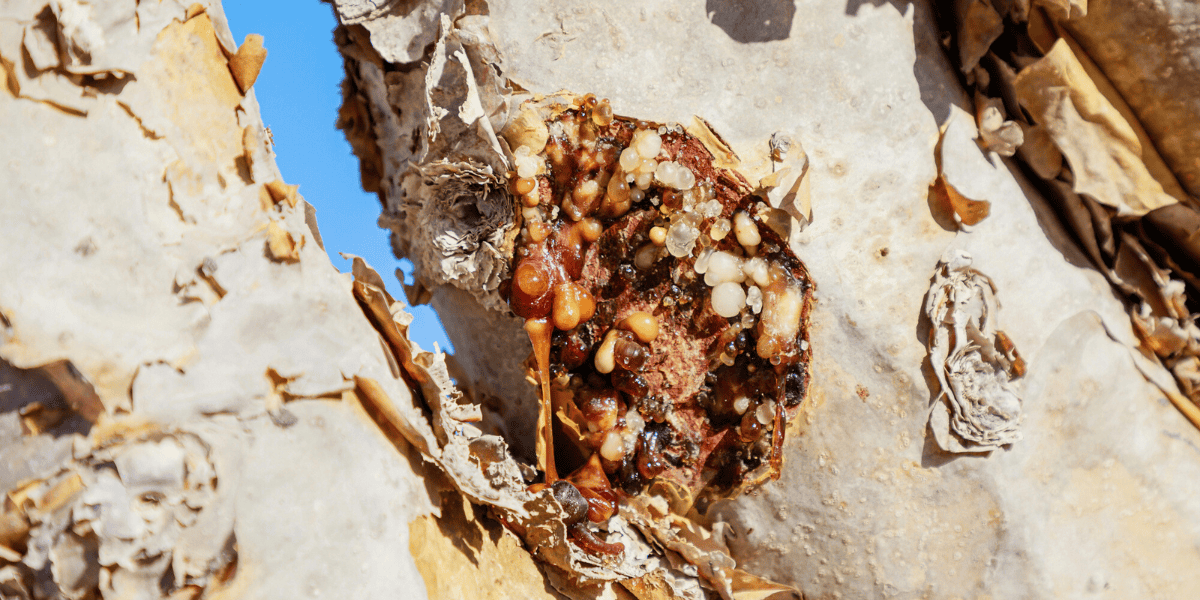
The story of this medicinal sap begins long before sovereigns and sages, in a sun-blasted corner of the world where the desert meets the sea. Here, in the rugged mountains of Oman on the southeastern edge of the Arabian Peninsula—where jagged cliffs hold secrets older than civilization—grows the Boswellia sacra tree, prized for producing some of the finest frankincense resin. To the untrained eye, it looks twisted, scraggly…almost forgettable. But to the wise elders of old, it was a living portal—a bridge between the physical and the divine. The sap that bled from its wounded bark was frankincense and legend held that it did more than scent the air; it healed.
The Trail Of Smoke
For thousands of years, explorers, mystics, and empire-builders followed the same trail through blistering deserts—the fabled Incense Route. A 1,500-mile artery of trade stretching from Arabia to the Mediterranean, pumping wealth into kingdoms and building cities from dust. As caravans crossed the dunes, shimmering heat rising around them like a mirage, their cargo was guarded with the kind of intensity usually reserved for royal jewels because they knew frankincense wasn’t just perfume…
It was currency.
It was medicine.
It was a potent spiritual remedy; a healing force concentrated into an essence so rich and balsamic it seemed to alter the very air around it.
While it may have been burnt on altars for millennia, what people long ago knew through intuition, ritual and long observation, modern science is only now beginning to decipher—it had the power to restore. In Egypt, priests crushed the sap into salves for wounds and burns, a practice recorded in the Ebers Papyrus. They even used it for mummification to seal the flesh and stall decay. Generation after generation noticed the same thing: when frankincense touched damaged tissue, the skin seemed calmer, cleaner, protected, and eager to knit itself whole again.
Frankincense may appear to be a single substance, yet it is remarkably diverse from region to region. Different species of Boswellia trees grow in distinct corners of the world, each carrying its own character and potency. Boswellia serrata, commonly known as “Indian frankincense,” thrives in the forests of India, while Boswellia sacra, the storied resin of Oman, Yemen and Somalia, was historically prominent in trade and ritual. Further north in Somalia grows Boswellia frereana, prized for its exceptional quality and high value. Even within Somalia, Boswellia occulta produces a chemically distinct resin, once confused with its relatives but now recognized for its unique composition. And in Ethiopia and Eritrea, Boswellia papyrifera—known since antiquity and now studied for its unusually high levels of distinctive compounds—continues to thrive in harsh terrain. Each species differs not only in geography but in chemical profile, subtly shaping aroma, therapeutic properties and trade value. Frankincense refers to the aromatic resin itself, while “Boswellia” is the botanical genus from which it originates.
Skin Deep: Frankincense’s Molecular and Visible Benefits
What the ancients sensed instinctively is now confirmed at the molecular level. The sticky gum produced by Boswellia trees carries a pharmacologic architecture of boswellic acids, monoterpenes, diterpenes, triterpenes and other resinous compounds. Boswellic acids, in particular, are potent and specific inhibitors of 5-lipoxygenase—one of the master enzymes that drives inflammation and leukotriene formation. When this pathway is calmed, tissues can repair with less swelling, reduced oxidative damage, and moderated immune activation.
Cell and animal studies extend this story: frankincense preparations speed wound contraction and improve re-epithelialization, effectively encouraging injured skin to rebuild itself more efficiently, even in conditions like frostbite. Human skin cells—specifically the fibroblasts that build your skin’s structure—respond to frankincense by shifting toward repair-oriented gene expression. When exposed to the resin, they shift their gene activity toward healthier repair, increasing collagen production and ultimately improving the texture and firmness of aging skin.
These biochemical actions translate into visible effects. Topical or resin-based preparations can ease angry dermatitis, reduce microbial burden in wounds or acne, buffer oxidative stress, promote microcirculation and support the architectural renewal that gives skin its resilience. An article entitled “Frankincense: The Ancient Remedy,” notes:
“Its astringent and toning qualities minimize the appearance of wrinkles and fine lines giving it a rejuvenating effect on aging skin, and incredibly beneficial when treating scars and blemishes. Antimicrobial, aromatherapeutic, antioxidant, anti-inflammatory…the list of health benefits frankincense essential oil has to offer is seemingly endless.“
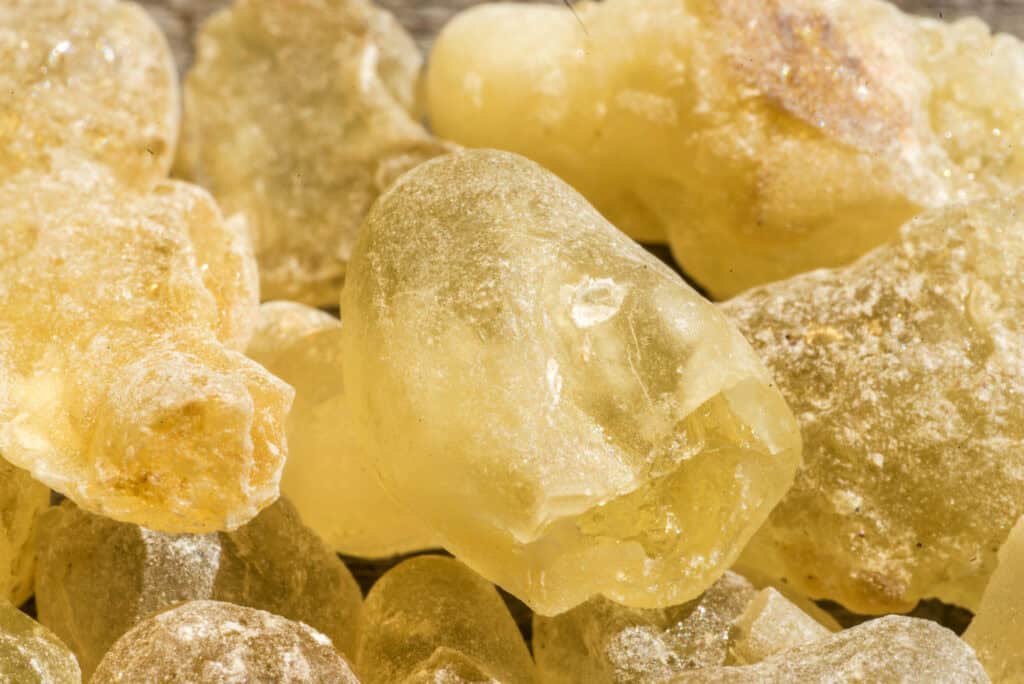
Yet it is here that distinction matters: the boswellic acids responsible for many of these benefits reside in standardized Boswellia extracts (botanical preparations with exact amounts of active ingredients) rather than the volatile perfume-grade oil you may have at home. A drop of frankincense essential oil used in aromatherapy carries scent and some bioactivity, but the concentrated medical effects described in studies typically come from properly dosed formulations, carefully prepared ointments, or Boswellia-derived compounds. Fortunately, high-grade frankincense tears—the hardened resin droplets that form when the tree releases sap in response to tapping—can be sourced and infused into oils or ground and blended into a salve or balm, much as they were thousands of years ago. These dermatologic effects are only the beginning. The deeper you look, the more its biological reach seems to widen. The same anti-inflammatory, antioxidant, and immune-modulating actions that support wound repair also appear in studies on arthritis, colitis, asthma, pain, and oral health.
For arthritis, compounds derived from Boswellia resin help reduce inflammatory signals that make joints swollen and stiff, which may explain why some studies have found improvements in pain and mobility. Inflammation reduction also appears in the gut: in colitis, frankincense has been shown to soothe irritated intestinal tissue and support repair of the gut lining. In the lungs, it helps relax inflamed airways, which is why small studies in people with asthma have reported easier breathing and fewer symptoms.
Oral health is an overlooked area of personal care where frankincense shows measurable activity. It can control harmful bacteria in the mouth, calm inflamed gums, and support recovery after irritation or dental procedures. Rather than relying on conventional rinses and pastes that may introduce unnecessary additives, you can opt for botanical formulations that support the body more broadly. Frankincense acts less like a quick fix and more like a gentle, whole-body ally, supporting your body’s ability to settle inflammation whether it shows up in the joints, gut, lungs, mouth, or as persistent low-grade discomfort.
Protection and Defense: Frankincense in Cancer Research
After exploring how frankincense has supported recovery in skin conditions for millennia and hinting at its other therapeutic potential, it is appropriate to examine its relevance in oncology. In case studies and laboratory models of melanoma and non-melanoma forms, boswellic acids show a remarkable ability to slow proliferation, trigger apoptosis (a regulated process that allows damaged or abnormal cells to safely self-destruct, helping protect surrounding tissue) and disrupt tumor-supporting inflammatory pathways.
What makes these findings especially compelling is how consistent they are with frankincense’s broader biochemical behavior. Boswellic acids do not act like blunt instruments; they modulate signaling cascades with notable regulatory precision—dialing down excessive inflammation, stabilizing oxidative environments and helping tissues return to physiological balance. When these same mechanisms are examined in the context of cancer biology, they appear to redirect distorted cellular pathways rather than simply suppress them.
Basal-cell carcinoma (BCC) is the most common skin cancer, and its rates are rising globally, creating a growing burden on healthcare systems. Although many treatments exist, including surgery, radiation, and topical therapies, researchers have also begun exploring complementary approaches. Frankincense has been studied for its ability to influence tumor-related mechanisms, suggesting a potential supportive role for certain superficial or early-stage BCCs. In a published case report titled “Management of basal cell carcinoma of the skin using frankincense (Boswellia sacra) essential oil,” topical frankincense oil was used on two lesions in a single patient, prompting interest in its possible role alongside conventional care and highlighting the need for further research.
Aside from boswellic acids found in Boswellia resin, frankincense oil contains natural compounds like terpenes, specifically alpha-pinene, that have shown anti-cancer effects when applied to the skin. However, cancer scientists have not identified a single compound responsible for these effects. Veterinary oncologist John Robertson, VMD, MS, Ph.D., has conducted exploratory testing of frankincense oil in real-world oncology settings, including experimental treatment of equine melanoma, an infiltrative, pigment-rich cancer that closely mirrors human malignant melanoma. His early-phase observations suggest selective anti-tumor activity: some injected or topically treated lesions shrank or showed cellular destruction, while untreated tumors continued their course. While these findings remain preliminary and far from clinical recommendation, they point toward a botanical therapy whose complex chemistry may hold modern oncologic relevance and highlight the need for careful, controlled study.
Though these findings rest mostly on preclinical work, they sketch an intriguing continuity: this molecular precision that eases inflammation in a simple wound can, under controlled conditions, interfere with the aberrant growth programming of malignant cells. Emerging research suggests this precision may extend into the brain itself. As stated in the study, “Genus Boswellia as a New Candidate for Neurodegenerative Disorders”:
“Boswellia exhibited therapeutic potential for brain ischemia and injuries, which is most likely related at least in part to its anti-inflammatory, anti-apoptotic, as well as anti-oxidative and free radical scavenging activities.”
Some of the most compelling findings now emerge in neurological research. In small human studies on patients with brain tumors or radiation-induced cerebral edema, standardized Boswellia extracts have reduced swelling visible on MRI and, in some cases, allowed physicians to taper steroids. These findings point to measurable anti-inflammatory effects within the central nervous system, supporting ongoing investigation into Boswellia’s role in neuroinflammation, neuro-oncology, and recovery after neural injury.
Boswellic acids have also demonstrated antiproliferative effects in colorectal, pancreatic, breast, prostate, and leukemia models—always with a consistent signature pattern: reduced inflammatory signaling, increased programmed cell death, and interference with tumor-invading behavior. Clinical evidence remains early and cautious, yet even these tentative signals echo an age-old respect for the power of this medicine. Frankincense was never a folk remedy for just one complaint; it was understood as a substance that altered the body’s internal conditions in profound ways. In the study “Anti-cancer Effects of Frankincense Methanolic Extract on Brain Metastatic Breast Cancer Cells,” the authors report:
“Our findings indicated that frankincense extract has a potent cytotoxic effect on brain metastatic tumor cells and induces apoptosis in these cells. Unlike many anti-cancer drugs which have very little ability to combat and kill brain metastatic cancer cells, frankincense extract can be considered a suitable candidate to fight these cells.”
These discoveries, still early yet undeniably compelling, mark the furthest reach of frankincense’s therapeutic spectrum—from guarding vulnerable neurons to challenging some of the most treatment-resistant cancer cells known to medicine.
What Is Known—And What Remains Shrouded In Mystery
After tracing frankincense through molecular pathways, clinical trials, and imaging studies, a timeless question resurfaces: why did so many civilizations regard this resin as sacred? Long before MRIs or laboratory tests that analyze molecules existed, healers applied this aromatic resin for restorative purposes. Yet the lore behind this compound reaches beyond the physical into the divine. Why did every distant culture think this resin held supernatural power? Modern research offers possible explanations.
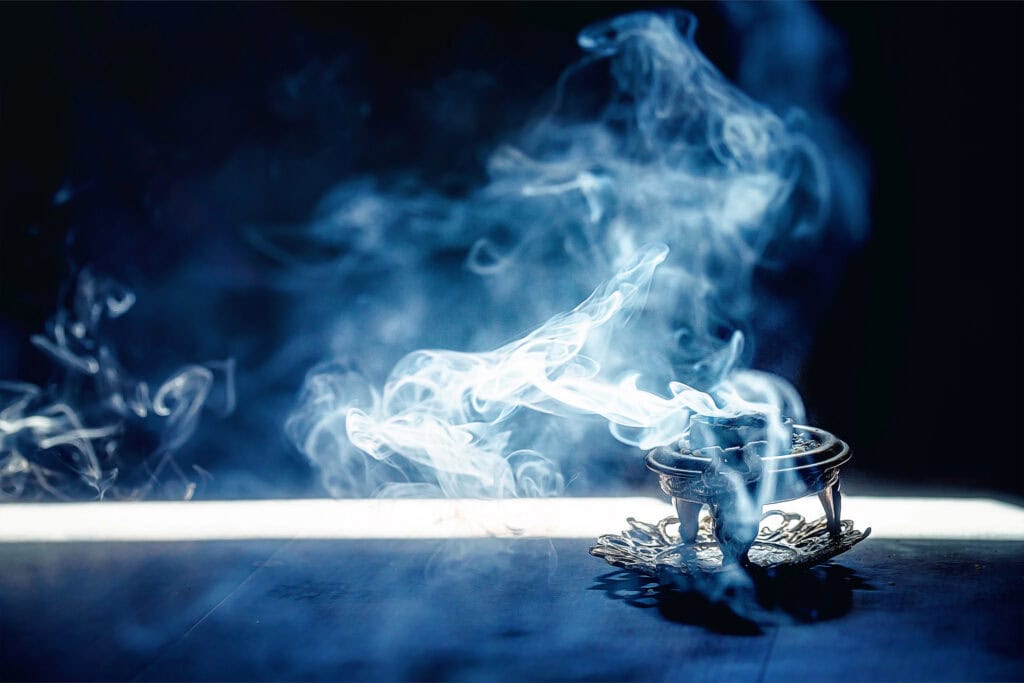
For thousands of years, people understood that frankincense didn’t merely heal the skin or ease the breath—it altered experience. The Egyptians burned it at dawn to summon gods and purify the air around their temples. The Greeks cast it into ritual fires, practicing libanomancy, a form of divination that reads the rising smoke for omens. The Hebrews blended it into a consecrated incense so holy that only the high priest could handle it. Exodus preserves the instructions:
“Take for yourself aromatics, [namely] balsam sap, onycha and galbanum, aromatics and pure frankincense; they shall be of equal weight. And you shall make it into incense, a compound according to the art of the perfumer, well blended, pure, holy.”
Its allure went beyond sight and scent, stirring awe, focus and a sense of something greater at work. Those who carried, burned or touched it sensed a subtle shift in the world around them, a quiet potency that lingered long after the smoke had faded. Across cultures and empires, frankincense was treated as a mediator between realms—an idea that modern research is now beginning to interpret through the lens of neurochemistry.
When frankincense burns, it releases psychoactive molecules—including incensole acetate and related derivatives—that interact with ion channels and multiple neural pathways. These compounds affect key regions, including the amygdala, hippocampus, prefrontal cortex, and insula, which govern emotion, memory, attention, introspection and interoception. Remarkably, these are the very networks engaged and altered during prayer, meditation, trance and ritual, linking neurochemistry to contemplative and spiritual experience. Gerald Weissmann, M.D., Editor-in-Chief of The Federation of American Societies for Experimental Biology Journal adds:
“The discovery of how incensole acetate, purified from frankincense, works on specific targets in the brain should also help us understand diseases of the nervous system. This study also provides a biological explanation for millennia-old spiritual practices that have persisted across time, distance, culture, language, and religion–burning incense really does make you feel warm and tingly all over!”
For all the reverence surrounding it, frankincense has also earned a notable distinction in modern toxicology: its potent biological effects are paired with a consistently favorable safety profile when used in pure, properly sourced forms. Products acquired from reputable suppliers that provide species identification, transparent sourcing, and third-party testing for purity and contaminants—non-synthetic and never adulterated—are consistently well tolerated. Across thousands of years of use—applied to the skin, taken orally in resin or extract, or inhaled as smoke—there is no historical or modern toxicology evidence suggesting harm. Contemporary safety reviews echo this as well. And yet, for all that is known, substantial questions remain. The vast gum fraction (the substantial portion of frankincense composed of water-soluble polysaccharides)—rich in arabinogalactans and other complex glycans—remains understudied on its own. Even the most famous constituents, such as the boswellic acids, still do not have complete pharmacological profiles. Their full set of metabolites in human tissues, and which ones carry the primary physiological activity, remains unclear.
So here you stand with a substance both ancient and scientifically provocative—one that early civilizations burned, prepared and revered, and one that modern science is still working to fully decipher. After millennia of uninterrupted use, frankincense remains what it has always been: a resin whose full nature is still unfolding. As research accelerates, one truth becomes impossible to ignore—the story of frankincense isn’t ending; it is entering its most revealing chapter.
~
Published on February 19, 2026.
If you’ve found value in this article, please share it!
To support the research and health education of AVFC editorial, please consider making a donation today. Thank you.