






By Jennifer Wolff-Gillispie HWP, LC
EDITOR’S SUMMARY: For decades, eggs were blamed for rising cholesterol and heart disease, pushed aside in favor of processed substitutes and low-fat promises. But modern research tells a far more complicated story. Once feared as nutritional liabilities, eggs are being reexamined as one of nature’s most complete biological packages—rich in protein, choline, healthy fats, vitamins, minerals, and the nutrients needed to build, repair, and restore. From mitochondrial energy production to brain health and recovery, the egg has become a powerful example of how nutritional science, public perception, and the body’s own biological intelligence are not always in alignment.
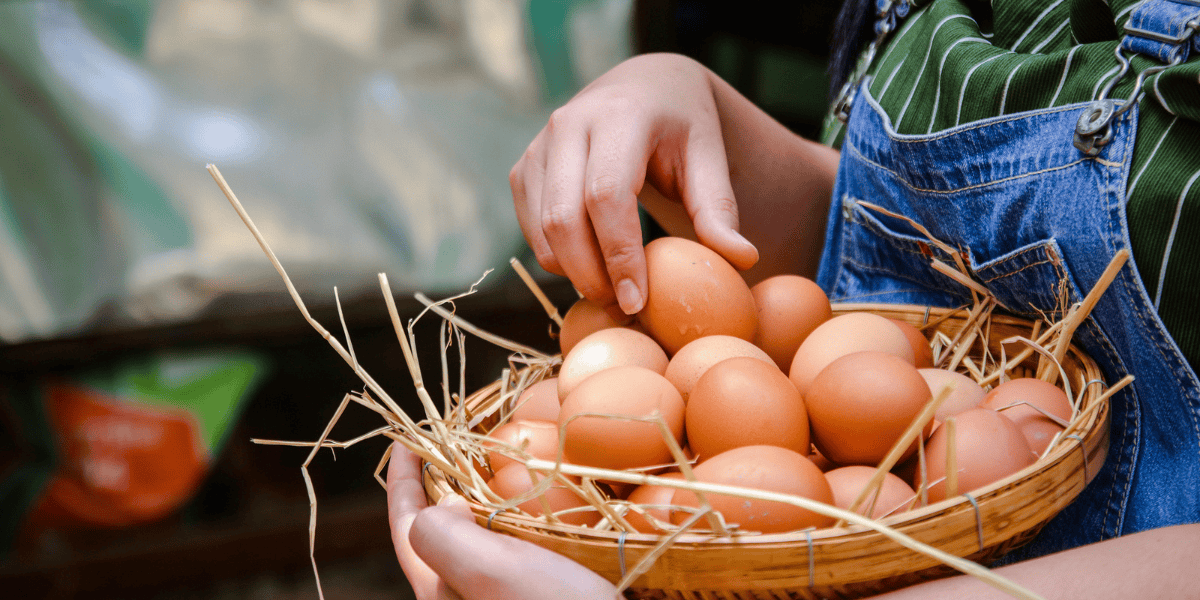
Long before fields were furrowed, orchards planted, or livestock filled fenced pastures, you—or those whose blood and biology live on in you—searched the wild for sustenance, gathering berries, digging roots, cracking nuts, and hunting prey that demanded energy, skill, and risk. Among nature’s richest discoveries was something far easier to claim and even more complete: a hidden clutch of eggs—concentrated containers of nourishment filled with nearly every building block needed to sustain life.
When European settlers arrived in America, they carried more than tools, seed stock and a dream of freedom and prosperity—they brought with them familiar animals including the humble chicken. This was a practical and wise choice born from necessity. Cattle demanded pasture, feed, and years before reliably supporting a household. Pigs, goats, and sheep took months to mature enough to provide substantial meat. Larger livestock represented future security, but hunger lived in the present tense—and chickens were the answer.
In roughly 18 weeks hens could begin laying eggs—daily nourishment wrapped in a perfect package, asking little in return beyond scraps, forage, and shelter. Soon one hen would become many, and many would become a flock. Breakfast at sunrise prepared households for the day ahead, while protein at supper satisfied hungry bellies after long hours of work, with fresh baking helping fill the meals in between. For families settling into life in an unfamiliar land, the egg wasn’t taken for granted—it was survival—and perhaps one of the reasons America, not just early Americans, survived and thrived. From frontier cabins to farmhouse kitchens, eggs became woven into the American story. They represented abundance, resilience, health, and longevity. But nearly 200 years later, that trust began to fracture as the scientific community increasingly warned that eggs were dangerous to human health.
When the Egg Fell From Grace
The fracture began in 1968, when the American Heart Association warned that cholesterol was a major driver of heart disease and strongly advised limiting eggs to three per week. This message—and the fear behind it—began to spread: dietary cholesterol raises blood cholesterol, elevated blood cholesterol raises heart disease risk, and therefore eggs are dangerous. It was simple, easy-to-follow logic, yet it was incomplete and fundamentally misguided. Much of the evidence behind these claims came from flawed animal studies, broad correlations that failed to separate eggs from smoking, processed food, and sedentary living, or clinical trials using unrealistic intakes. Missing from the headlines—and from scientific consensus—was a critical truth: your body is capable of regulating cholesterol with remarkable precision. When intake falls, production can rise. Cholesterol is not an intruder to be kept at bay—it is something produced innately and essential for nearly every process in your body.
But fear travels faster than discernment, so egg whites were praised, yolks were discarded, and omelets turned pale. Grocery shelves became crowded with substitutes stripped of the very nutrients nature had designed into the yolk. That perfect yolk was replaced with low-quality, genetically engineered ingredients. Yet eggs were only one casualty in a much larger shift—real, whole foods across the American table were increasingly traded for manufactured imitations: eggs for Egg Beaters, butter for “I Can’t Believe It’s Not Butter,” and sugar for Sweet & Low. As nature’s nourishment was steadily exchanged by inferior imposters, Americans grew sicker, while scientists held their position.
It wasn’t until the 1990s that large studies—including major research from Harvard University—found no meaningful link between moderate egg intake and cardiovascular disease in healthy people. In 2015, the Dietary Guidelines Advisory Committee concluded that cholesterol was “not considered a nutrient of concern for overconsumption,” marking a major shift in decades of dietary guidance. Recent guidelines have taken a more cautious tone while continuing to move away from strict cholesterol limits. Still, old beliefs die hard. Even with decades of data tempering cholesterol fears, skepticism remains—which is why some researchers have taken matters into their own hands.
Recently, Nick Norwitz, a Harvard medical student with a Ph.D. in metabolic health, decided to conduct his own experiment: eat 720 eggs in one month and document what happens. The 133,200 mg of dietary cholesterol he consumed during that period did not raise his serum cholesterol or low-density lipoprotein (LDL) levels. LDL molecules help transport cholesterol through the body and have long been associated with poor health outcomes when chronically elevated. Norwitz later explained that when dietary cholesterol rises, the body can reduce its own cholesterol production through signaling between the gut and liver, helping maintain balance and internal stability.
While one experiment does not settle the question, it adds to a growing body of evidence suggesting that dietary cholesterol does not behave in the body the way it was once feared to. What is becoming clearer is that cholesterol metabolism is not a simple process of intake and accumulation—it is a dynamic, responsive system that senses what is consumed and adjusts internal production to maintain balance. This is thought to be accomplished through intricate feedback loops that science is still working to fully map. Rather than acting as a passive recipient, the body is a participant—regulating, adapting, and preserving internal stability.
Beyond the specifics, there is a more profound lesson here. The mechanisms may be newly described, but the intelligence behind them is not new at all. The body has always known how to maintain balance. Science is not discovering something entirely novel—it is catching up and putting words to a system that has been working with precision all along. To understand the parts, you must first trust the design of the whole.
A Complete Package by Design
Crack an egg and consider what rests in your hand. This is not merely food—it is potential. A concentrated source of sustenance with the raw materials needed to transform a single fertilized cell into a fully formed creature. Within that shell is the design for every bodily system and reserve of stored energy. Nothing extra. Nothing missing. Nature did not create the egg merely to be high in protein. It created it to build a body. Only when fertilized and incubated can that process unfold. Without those final two steps, the egg never becomes a living creature, though it still retains the potential to sustain you.
A single egg contains complete protein with all essential amino acids, nourishing fats, cholesterol, choline, vitamins A, D, E, B12, riboflavin, folate, selenium, iodine, phosphorus, iron, lutein, and zeaxanthin. Nearly every one of these compounds supports your tissues—from vision and immunity to hormones, metabolism, and cellular repair. Among them, choline stands out as one of the egg’s most important and abundant nutrients. Eggs are among the richest sources available, furnishing what is needed to make acetylcholine, a neurotransmitter central to memory, learning, focus, and muscular control. Choline also supports liver health, methylation, and the phospholipid membranes that form every cell in your body. For a developing baby, it helps shape the brain and spinal cord. For you, it sustains cognition and resilience. While chicken eggs get all the attention and shelf space at the store, they are only one example.
Quail eggs pack remarkable density, often offering more iron, B12, and phosphorus gram for gram. Duck eggs provide higher levels of omega-3s, more choline, and greater concentrations of fat-soluble vitamins. Ostrich eggs—equal to nearly two dozen chicken eggs—contain enough developmental fuel to launch one of the strongest hatchlings in the bird world. While they contain less vitamin E than a chicken egg, they contain more magnesium and iron. As you can see, not all eggs are created equal, but species is only part of the story.
The life of the bird shapes the content inside the shell. Store-bought and pasture-raised eggs may look identical before being cracked into a pan, yet the way hens are raised influences nearly everything found within them. The light yellow yolks of conventional eggs often come from caged hens kept indoors with limited movement, fed grain-based diets designed for efficiency rather than nutrition. These feeds may also contain pesticide-treated grains, synthetic additives, industrial byproducts, and other ingredients designed to maximize production rather than support long-term animal or human health. Cage-free hens are spared the cage, though many still live crowded indoors with little meaningful access to sunlight or open land. Free-range sounds ideal, but regulations only require some outdoor access—often a small door leading to a modest outdoor area that many birds rarely use.
Pasture-raised stands apart because hens are given abundant open space—typically more than 100 square feet per bird—to roam, scratch, peck, hunt insects, eat grasses, and live much closer to their natural design. That difference in movement, sunlight exposure, and a diverse omnivorous diet can produce eggs richer in nutrients like omega-3 fats, vitamin D, and carotenoids, often reflected in darker yolks and fuller flavor. This should not be confused with how some farmers artificially darken yolks with high-carotenoid feed like peppers or marigolds. Conversely, yolks may appear pale when hens consume diets lower in carotenoid-rich feed such as corn. In the case of yolks, appearances can be deceiving.
Fat quality is important to consider too. Conventional hens fed heavy diets of corn and soy tend to lay eggs with disproportionately high levels of omega-6 fats—particularly linoleic acid—creating inflammatory omega-6-to-omega-3 ratios that can approach 10:1 or higher. Removing soy from feed can significantly improve that balance, but labels like organic, pasture-raised, or soy-free do not automatically guarantee a healthy fat profile. Some farms replace soy with sunflower meal or oils, which remain high in omega-6, while others heavily fortify feed with flax to boost omega-3 numbers—improving ratios on paper, yet creating delicate fats that are prone to oxidation.
Labels like organic, non-GMO, soy-free, corn-free, vegetarian-fed, or omega-3-enriched each describe one piece of the picture—what the hens are fed, what they avoid, or nutrients added through feed—but none automatically speak to how the hens actually live. When both nutrition and animal welfare are addressed, pasture-raised—especially when paired with strong humane certification—represents the closest thing on the grocery shelf to the kind of egg nature intended. What these hens build in their bodies ultimately becomes fuel for yours—especially within the tiny energy systems that power every cell.
The Golden Engine
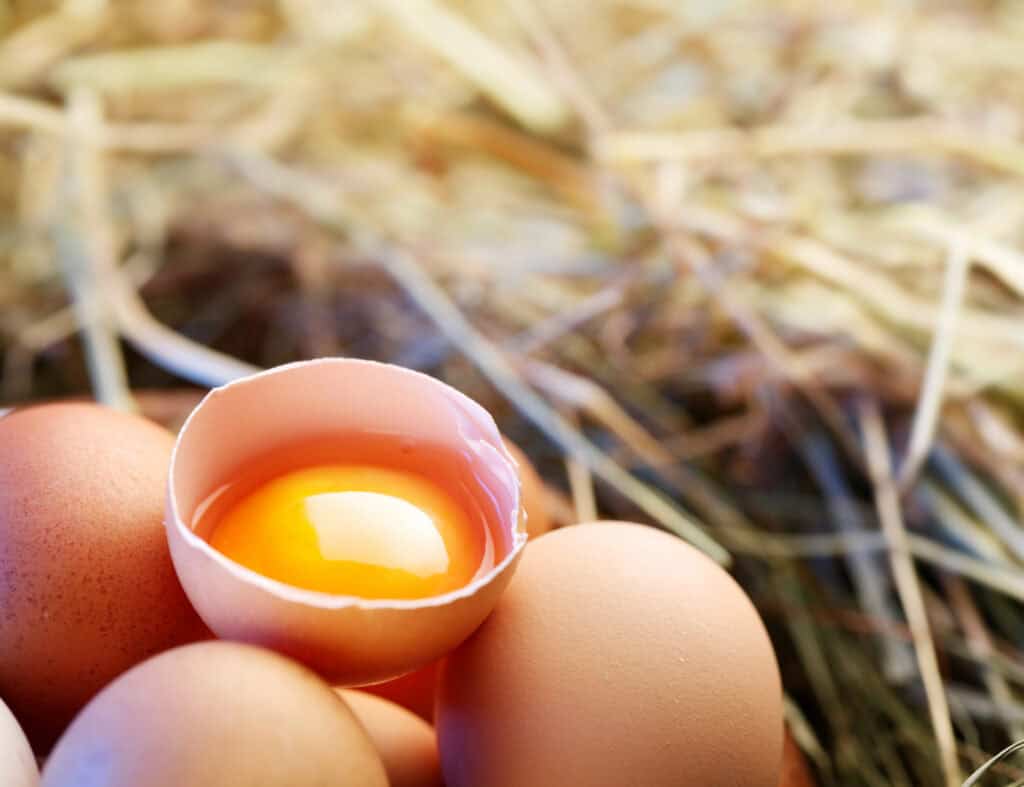
Inside every cell in your body are mitochondria—tiny structures that transform food into ATP, the currency that powers thought, movement, repair, detoxification, and endurance. When mitochondria function well, you feel alive. When they struggle, fatigue, inflammation, sluggish recovery, and mental fog often follow. This is where yolks shine. Rich in choline, B vitamins, and bioavailable cholesterol, they supply nutrients directly tied to mitochondrial membrane strength, cellular signaling, and efficient energy production. Together, these compounds help defend mitochondria from oxidative injury while supplying many of the cofactors needed for metabolism to run cleanly and consistently. What makes the yolk even more remarkable is that it arrives with its own built-in protective chemistry.
Egg yolks naturally contain antioxidants such as vitamin E, selenium, carotenoids, and phospholipids that help shield their delicate fats from oxidation. Research on omega-3-enriched eggs found that while cooking preserves total fat content, higher-heat methods—particularly frying—significantly increase lipid damage and cholesterol oxidation products, whereas boiling better preserves the egg’s fragile fats. When hens’ diets were fortified with antioxidants like vitamin E and organic selenium, oxidative stress during cooking was markedly reduced—cutting markers of fat damage by as much as 40 percent and cholesterol degradation by 12 percent. In other words, the egg is not merely rich in energy-supporting fats—it carries protective elements designed to defend those fats from breakdown. That same antioxidant profile may help protect the delicate lipid membranes that power your cells. This is why some ancestral and holistic circles call raw yolks “captured sunlight.”
The phrase, although poetic, is grounded in chemistry. Sunlight becomes plant life. Plants become seeds, greens, insects, and forage. Hens convert those sun-fed nutrients—carotenoids, tocopherols (vitamin E), selenium, healthy fats, and antioxidant pigments—into a golden reservoir of stored vitality. Within that yolk rests concentrated biological energy and a nutrient matrix built to nourish life at its most foundational level. In a sense, you are eating the sun’s energy.
Some choose raw yolks for this reason—to preserve nutrients that heat can diminish. These yolks can be blended with a quality oil, such as cold-pressed olive oil, or avocados, to make homemade mayonnaise or Caesar dressing. Others prefer gently cooked eggs, particularly soft-boiled, poached, or steamed, which strike a balance between safety, digestibility, and nutrient preservation. Either way, the lesson is the same: how you consume your eggs matters, especially if they are raw. Because raw eggs can carry Salmonella, a common food-borne bacterium that can cause gastrointestinal distress, they are best avoided by young children, older adults, pregnant women, and those with compromised health.
Raw egg whites contain avidin, which can interfere with biotin absorption. For those choosing to use raw eggs, pasteurized or carefully sourced pasture-raised eggs may offer peace of mind regarding bacterial contamination. While pasteurization is not known to significantly affect lipid quality or overall nutrition, some enzymes present in eggs may denature, which can affect the way the proteins behave during cooking.
The egg and your brain
Your brain is among the most energy-demanding structures in your body. It depends on protein, phospholipids, cholesterol, B vitamins, selenium, antioxidants, and fats to build neurons, maintain signaling, and power cognition.
Eggs, once again, supply nearly all of these nutrients. Sometimes dubbed “nature’s cognitive multivitamin,” a new study found that regular egg consumption was associated with a lower risk of Alzheimer’s disease, while postmortem examinations of individuals who frequently ate eggs revealed lower levels of toxic Alzheimer’s-related proteins in the brain. They provide complete protein for neurotransmitter creation, choline for acetylcholine and membrane health, mitochondrial cofactors for ATP production, healthy fats for neural structure, and tryptophan—a precursor that contributes to niacin (vitamin B3/nicotinamide), helping feed NAD+, one of the body’s most important molecules for energy and cellular repair. In simple terms, eggs deliver much of what your brain is built from—and much of what keeps it running. And it’s that same nutrient density that also becomes especially important when the body enters profound repair mode.
Because of their nutrient density, eggs are invaluable for physical recovery. Severe burn patients, for example, enter a hypermetabolic state in which the body urgently needs the raw materials required to rebuild skin, connective tissue, blood vessels, and damaged cells. In some recovery protocols, patients may receive up to 35 eggs daily to help support that intense repair process.
When Eggs Aren’t For Everyone
Of course, no food is universally tolerated. While eggs are among the most nutrient-dense foods available, they are also one of the more common food allergens, particularly in infants and young children. Many children outgrow an egg allergy, but some continue to react into adulthood, and others may develop sensitivities later in life. The proteins found in eggs—especially those concentrated in the whites—can trigger immune reactions ranging from mild digestive upset, skin rashes, or congestion to more serious symptoms such as difficulty breathing. You may experience a food sensitivity rather than a true allergy, with symptoms that are less immediate but still significant.
Interestingly, how an egg is prepared can make a difference. You may tolerate thoroughly cooked eggs in baked goods or other dishes more easily than raw or lightly cooked eggs because cooking alters the structure of egg proteins. This is not a golden rule, however, and if you have a known egg allergy, you should follow the guidance of your healthcare provider. If eggs seem to cause symptoms, an elimination diet followed by a careful reintroduction can sometimes help identify a problem. More formal evaluation may include skin-prick testing, blood tests that measure egg-specific antibodies, or supervised food challenges conducted by an allergist.
Another consideration is the hen’s diet. If you are allergic or highly sensitive to foods such as corn or soy, you may tolerate eggs poorly when hens are raised on feed containing these ingredients. While a true egg allergy involves the egg proteins themselves, some practitioners and consumers have observed that feed composition may influence how certain sensitive individuals respond. Research in this area remains limited, and the mechanism is not fully understood, but you may find that you tolerate eggs from hens fed soy-free and corn-free diets more comfortably.
If you absolutely cannot consume eggs, nutrient replacement becomes important. Pasture-raised poultry, wild seafood, 100% grass-fed meats, organic dairy products, and legumes can help supply protein and many of the vitamins and minerals eggs provide. Choline—one of eggs’ standout nutrients—can also be found in foods such as liver, beef, salmon, and cruciferous vegetables, though often in lower amounts. While few foods match the nutritional package of a whole egg, a thoughtfully varied diet can provide many of the same building blocks.

Bringing The Egg Home Again
In 1918, during World War I, the United States Department of Agriculture encouraged families to keep two hens per family member so they would always have fresh eggs. Their advertising slogan read: “In Time of Peace a Profitable Recreation. In Time of War a Patriotic Duty.” Today, that advice still rings true. Over the last decade, the cost of eggs has risen dramatically, with a dozen pasture-raised eggs costing anywhere from $9 to more than $15 depending on the region. While not everyone has the space, time, or ability to raise a small flock, for some people, producing their own eggs may eventually become both practical and economical.
It’s true that standard stationary coops require regular manure removal—which is excellent for the garden—to keep conditions sanitary. A small mobile coop and movable electric fencing, on the other hand, can minimize cleaning while bringing fertilization directly to the land. Chickens are also excellent recyclers and can be fed many healthy food scraps and vegetable trimmings to supplement their diet and help reduce feed costs. If you have limited space—or simply want a quieter, smaller bird—quail, a compact ground-dwelling bird that lays small nutrient-dense eggs, can also be a practical option requiring far less room than chickens.
Whatever option you choose, having access to healthy eggs can be a steady source of quality food for you and your family. But abundance naturally raises another question: how many eggs truly support optimal health? For many healthy people, one to three eggs daily fits beautifully into a nutrient-dense diet. Active individuals, growing children, older adults, and those recovering from illness may benefit from more. Your metabolic health, overall diet, and personal biology matter far more than rigid universal rules. If you have significant metabolic dysfunction, diabetes, or a rare cholesterol-processing disorder, your response to dietary cholesterol may be different and should be evaluated individually.
For millennia, eggs have nourished the hungry, strengthened the growing, sustained the weary, and supplied nearly everything needed to build, repair, and renew life itself. It should be no surprise that they may also help restore the human body. Small in size. Astonishing in potential. “The incredible, edible egg.”
~
Published on June 11, 2026.
If you’ve found value in this article, please share it!
To support the research and health education of AVFC editorial, please consider making a donation today. Thank you.