







Written by Sarah Campise Hallier
Edited by Nicki Steinberger, Ph.D.
EDITOR’S SUMMARY: Collagen isn’t just about plump skin or pretty powders—it’s your body’s repair code. When it frays, you feel it: aches, stiffness, gut shifts, fatigue. Marketing sells the surface. Real support goes deeper—into your food, sleep, hormones, and daily choices. To build resilience, you’ve got to reinforce what holds you together.
From natural grocers to big-box retailers—and all over your social media feed—collagen powders, creams, and supplements are everywhere, promising youthful skin and strong joints. But beyond the glossy packaging and beauty claims, collagen is more than just a trend. It’s a foundational part of your body’s connective framework—the network of proteins that gives strength, structure, and elasticity to your skin, ligaments, tendons, and organs. Understanding collagen means understanding how your body repairs itself, maintains form, and communicates internally. And while it’s finally getting more attention, you might not realize just how essential it is—or how to truly support it.
Collagen is the most abundant protein in the human body, forming up to 30 percent of total protein mass. It serves as the scaffolding for your connective tissues, supporting everything from muscles and bones to your gut lining. Made up of long chains of amino acids—primarily glycine, proline, and hydroxyproline—it forms a triple-helix structure designed for strength and durability. This resilient design allows your body to withstand daily physical stress and wear.
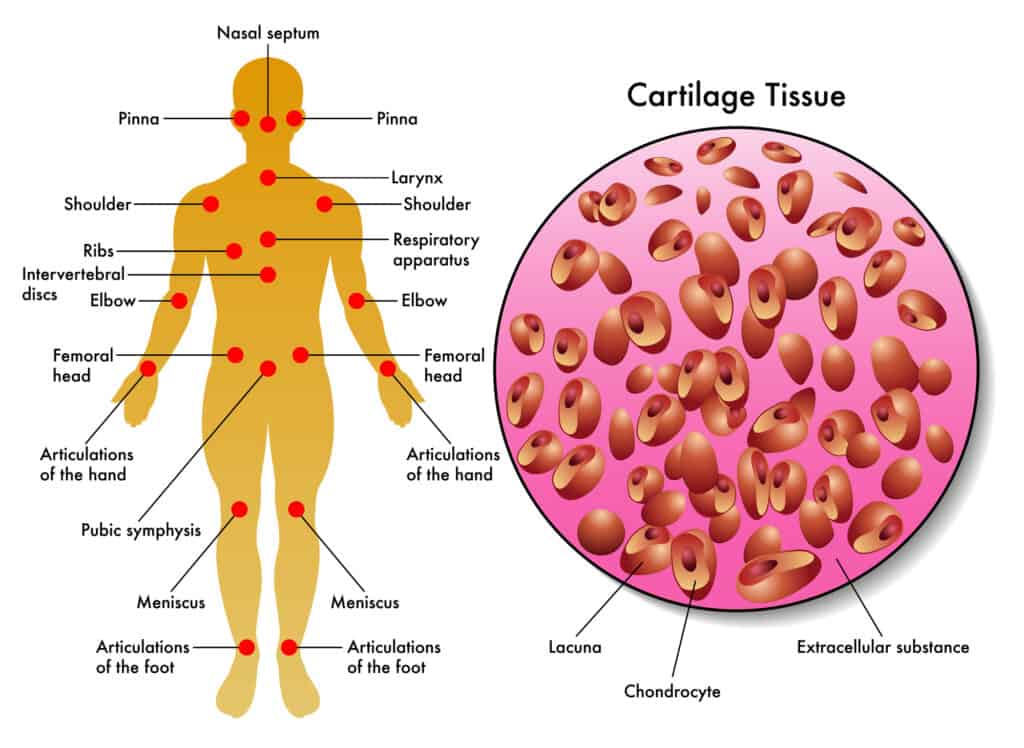
There are at least 28 known types of collagen, but 5 account for the majority in the human body. Type I is the most abundant, present in skin, tendons, bones, and organs. Type II cushions joints and is concentrated in cartilage. Type III works alongside Type I in skin, blood vessels, and internal organs. Type IV forms basement membranes, which filter substances in the kidneys and other organs. Type V supports hair, cell surfaces, and the placenta.
The Natural Drop-Off
Your body produces collagen naturally, but production begins to slow in your mid-to-late twenties. By your forties, this reduction becomes more pronounced, contributing to both visible and physical signs of aging. While this decline occurs in everyone, it tends to be steeper in women—especially after menopause, when hormonal shifts directly interfere with the body’s ability to synthesize new collagen. Across the board, daily habits play a major role in how quickly collagen breaks down. Ultraviolet radiation, refined sugar (especially in sweetened drinks and processed foods), smoking, environmental toxins, chronic stress, and poor sleep all accelerate collagen breakdown. These disruptors activate enzymes called matrix metalloproteinases, which degrade collagen fibers. As one dermatologist put it:
“As we age, our collagen production decreases and the quality of our collagen declines as well,” Kristine Collins, MD, FAAD, a board certified dermatologist based in Austin, TX told VeryWell Health. “That overall reduction of the collagen inside our bodies is experienced as a decline in physical function, but the reduction of the collagen of our skin happens right before our eyes with the appearance of wrinkles in sagging skin.”
The breakdown isn’t just visible—it’s systemic. When collagen deteriorates faster than it’s replaced, you risk joint damage, weakened blood vessels, and irritation of the gut lining. One of collagen’s lesser-known roles is maintaining the integrity of the intestinal barrier—it helps build the connective tissue that supports the structure of your gastrointestinal tract. In the age of “leaky gut syndrome”—a term used to describe increased intestinal permeability—this role becomes especially relevant. Collagen may also aid digestion and help regulate immune responses, making it particularly valuable for those navigating autoimmune issues, food sensitivities, or chronic inflammation. As Jeffrey Mark, M.D., writes in “Collagen’s Role in Gut Health: Know Everything”:
“Digestive discomfort, such as bloating, cramping, and diarrhea, often stems from inflammation in the gut. Collagen’s anti-inflammatory properties, particularly from glycine and proline, help to soothe and heal irritated gut tissue. This makes collagen highly effective for those with chronic digestive issues like IBS or inflammatory bowel disease (IBD).”
Collagen is a lifelong companion, and its role evolves over time. In youth, it fuels rapid growth and tissue development. During pregnancy, collagen demand increases to support the stretching of the uterus, skin, and pelvic floor. After childbirth, it becomes essential for tissue repair and recovery. Later in life, particularly after menopause, women experience a sharp drop in estrogen—a hormone that helps regulate collagen production. This hormonal shift is one reason many women notice skin thinning, joint stiffness, and the emergence of fine lines during this stage. It may also contribute to hair thinning, as collagen helps maintain the structure of the scalp and supports strong, healthy strands.
In men, testosterone helps maintain muscle mass and collagen density. But age, chronic stress, lack of exercise, compromised sleep, and diets low in protein or essential nutrients can affect everyone. Regardless of sex, proactive collagen support becomes more important as you age. As noted in “6 Reasons Collagen Declines + How To Support It Naturally,” medically reviewed by Keira Barr, M.D.:
“Collagen literally holds us together—it makes up 30% of the body’s protein and 70% of the skin’s protein,” explained functional medicine practitioner Robert Rountree, M.D. “The No. 1 cause of skin aging is the loss of collagen.”
As Dr. Anjali Mahto, consultant dermatologist and founder of the Self London clinic, agrees:
“Studies show that women can lose up to 30 per cent of their collagen in the first five years after menopause. This contributes to the development of fine lines, wrinkles, and skin sagging. Additionally, skin may become drier and more prone to injury or irritation due to the breakdown of the collagen framework.”
Like many wellness trends, it’s easy to get swept up in the commercial buzz without asking deeper questions. What does your body actually need? Are you absorbing what you consume? And how can you create long-term habits that support tissue health instead of chasing quick fixes? Your body builds collagen using specific amino acids and key nutrients that serve as cofactors in the synthesis process. Absorption depends not only on the type of collagen you consume, but also on your gut health and whether the peptides are small enough to be bioavailable. And when it comes to sustainable results, the most effective strategies don’t come from a single supplement. They’re rooted in consistency: nutrient-dense food, quality sleep, regular movement, stress reduction, and minimizing environmental exposures that interfere with your body’s natural repair processes.
Collagen health is closely tied to bigger questions about environmental toxins, food sourcing, and chronic inflammatory load. Take glyphosate, for example—a widely used herbicide that’s been shown to interfere with glycine metabolism. Since glycine is a key amino acid in collagen, chronic exposure to this chemical may compromise your structural integrity over time. Systemic inflammation—fueled by stress, poor diet, and certain medications—can further accelerate collagen loss, outpacing your body’s ability to rebuild. This is where personal agency and critical thinking come in. Supporting collagen means looking beyond quick fixes and examining how your environment, habits, and daily inputs are either supporting or undermining your body’s ability to repair itself.

Simple Ways to Support and Preserve Collagen
Although collagen production naturally slows with age, certain dietary and lifestyle choices can help your body continue producing it. This process depends on key nutrients that provide raw materials and fuel the enzymes involved in collagen formation. Vitamin C is essential for collagen-building enzymes, and you’ll find it in citrus fruits, bell peppers, and leafy greens—just be sure to source wisely. Zinc and copper are required for collagen cross-linking, which binds fibers together and stabilizes tissues. These minerals are found in oysters, pumpkin seeds, cashews, liver, and dark chocolate. Proline and glycine, two key amino acids found in bone broth, gelatin, eggs, and cuts of meat with connective tissue—such as oxtail and beef shank—offer foundational support for collagen synthesis. Sulfur-containing foods—like onions, garlic, and cruciferous vegetables—also contribute by supporting detox pathways and connective tissue integrity.
In addition to nutrient-dense foods, supplements may offer deeper support than topicals alone. While creams and serums rarely penetrate deep enough to influence collagen production, there’s growing evidence that certain ingestible forms can nourish connective tissue from within. Hydrolyzed collagen peptides—collagen processed into smaller, readily absorbed amino acid chains—have shown promise in improving skin elasticity, enhancing joint comfort, and even supporting muscle recovery when taken consistently.
While collagen powder is often the go-to supplement, it’s not the only form on the shelf. Bone broth protein powders also contain collagen—but in a broader, less concentrated form. Made from slow-simmered animal bones and connective tissue, these powders deliver a wide array of nutrients, including gelatin, amino acids like glycine and proline, and trace minerals. However, they’re not hydrolyzed—meaning the collagen hasn’t been converted into peptides for easier absorption. Collagen powders, by contrast, are specifically processed to yield small, bioavailable peptides that more directly support connective tissue. If you’re looking for whole-food nourishment, bone broth protein can be a helpful option. But for targeted support—especially for joints, skin, or recovery—hydrolyzed collagen may be the more effective choice.
To make your choice count: Not all collagen supplements are created equal. Look for labels that mention collagen hydrolysate or peptides—forms your body can digest and utilize efficiently. Products that include food-based vitamin C can further support collagen synthesis, as this nutrient is essential for assembling collagen fibers. Equally important is the source. Collagen is typically derived from bovine, marine, chicken, or porcine origins. High-quality products often come from 100% grass-fed, pasture-raised animals or wild-caught fish—and some go a step further, using a nose-to-tail approach. This means the collagen is sourced from a variety of animal tissues—like scapula, tracheal cartilage, or even eggshell membranes—rather than just one part. This full-spectrum method may offer a broader range of collagen types—such as Type I, II, III, and X (a key player in cartilage growth and the development of growth plates in bones)—helping reinforce different tissues throughout the body. To avoid unnecessary fillers or sweeteners, choose clean formulas and look for third-party testing to ensure purity and safety.
A review of eleven studies found that even small amounts of collagen peptides can safely stimulate fibroblast activity—the cells responsible for producing new collagen in the body. The way collagen is processed affects its function; certain forms appear to promote cell growth, while others may help reduce inflammation. Processing methods like enzymatic hydrolysis enhance absorption, making the peptides more bioavailable and more likely to reach the tissues that need repair.

Staying well hydrated is often overlooked in conversations about collagen and skin health. Yet water is more than a background player—it’s a direct cofactor in maintaining supple, resilient tissue. Your connective tissue—including skin, fascia, joints, and blood vessels—is like a sponge. Without adequate hydration, that sponge dries out, becoming brittle and less elastic. Collagen, while structurally robust, needs a hydrated environment to function properly. Water allows for the transport of amino acids, vitamins, and trace minerals to fibroblasts and helps remove metabolic waste that could otherwise build up and interfere with repair.
Research suggests that increasing your daily water intake can improve skin hydration, elasticity, and overall appearance. In contrast, dehydration often results in dry, tight, dull, or flaky skin—a condition that makes collagen loss not only more visible, but also more difficult to replenish. Dehydration can also slow enzymatic reactions critical to collagen synthesis and impair circulation, reducing the delivery of nutrients to the skin’s surface. In short, if you’re focusing on collagen but ignoring hydration, you’re missing one of the simplest, most effective ways to support your body’s natural regeneration process. Water may not have the allure of a fancy supplement, but its impact runs deep—literally into your skin, joints, and gut lining.
Supporting collagen isn’t just about what you add—it’s also about what you minimize. Limiting high-sugar foods can help reduce glycation, a process in which excess sugar binds to proteins like collagen, gradually weakening the fibers. Avoiding smoking and reducing alcohol intake can also protect your collagen from oxidative stress; both are known to inhibit collagen synthesis and accelerate breakdown. At the same time, the quality of your protein matters. Prioritize nutrient-dense sources like organic, 100% grass-fed beef, wild-caught fish, and pasture-raised eggs to supply the amino acids needed for collagen formation. Traditional staples like ancestrally prepared bone broth using bones from pasture-raised animals can also make a difference. Just three to four cups a week can deliver gelatin and collagen-supportive amino acids. It’s a time-tested way to strengthen tissue from the inside out.
Emotional stress matters, too—elevated cortisol can interfere with collagen production and accelerate its breakdown. Regular practices like yoga, breathwork, and nature walks can help regulate cortisol and inflammation while supporting hormonal balance. Emerging therapies, including red light exposure and infrared saunas, have shown potential in stimulating natural collagen production. While both use light to affect tissue, red light therapy typically targets the skin’s surface using visible wavelengths, whereas infrared penetrates more deeply to warm tissues and support circulation. Though research is still evolving, these gentle, non-invasive practices may offer an additional layer of support—especially when combined with nutrient-dense foods, stress management, and consistent lifestyle care.
Collagen may not always be top of mind, but signs like stiff joints, reduced skin elasticity, or unexpected digestive changes often trace back to it. This structural protein plays a role in nearly every physical action you take. As levels decline, you can often feel the difference—in how your body adapts, bends, and bounces back from exertion, injury, or daily wear and tear. What you eat, how you move, and the way you manage stress all shape the integrity of your body’s internal framework. Collagen isn’t restored in a single meal, workout, or night of sleep. But layer those small choices over time, and you build a body that moves with strength, comfort, and flexibility. With consistent care, your body responds—in each stretch, every stride, and those spontaneous bursts of laughter. That’s the return on investing in your physical foundation today: a more resilient, adaptable you in the years ahead.
~
Published on September 04, 2025.
If you’ve found value in this article, please share it!
To support the research and health education of AVFC editorial, please consider making a donation today. Thank you.