






By Jennifer Wolff-Gillispie HWP, LC
EDITOR’S SUMMARY: Plastic packaging is everywhere—and increasingly, so are questions about what it’s doing to your health and the planet. Follow the story of how synthetic materials came to dominate the global food system, what scientists are finding inside your body, and how governments, innovators and consumers are pushing back. The alternatives are real—but none are without compromise. The future of food packaging is being written right now, in policy chambers, research labs and the grocery store aisles you walk every week.
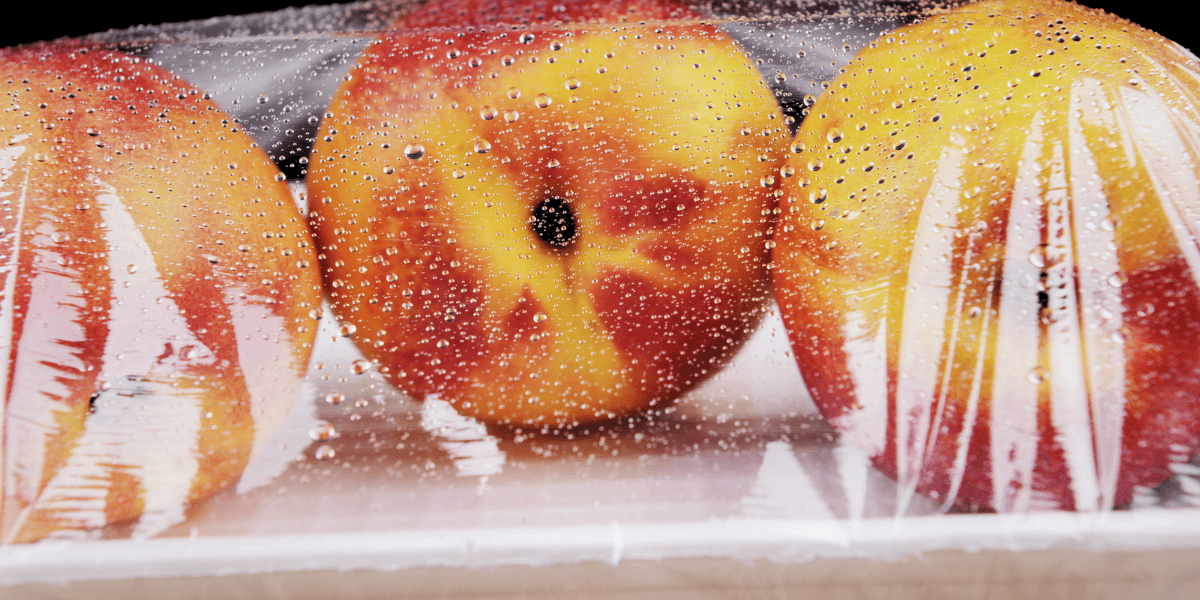
Walk through any modern grocery store and one detail is hard to overlook. Nearly every item is wrapped, sealed, lined, or laminated in plastic. Fresh meat sits on foam trays sealed in stretch film. Berries are packed into rigid clamshell containers. Salad greens are triple-washed and sealed inside plastic bags or boxes that promise freshness for days. Crackers, granola bars and tortilla chips live inside packaging designed to block oxygen and moisture, keeping contents shelf-stable for months. Even non-GMO, organic, ethically sourced foods arrive in the same plastic containers as everything else. You have learned to scrutinize ingredient labels—sugars, oils, additives—yet you are rarely taught to question the container itself. Plastic has become so embedded in the modern food system that it often fades into the background of everyday shopping decisions. It no longer simply surrounds what you eat. In many cases, it has become inseparable from the product itself—think Lunchables, Pringles or Cup Noodles. This wasn’t always the case.
Earlier generations purchased food wrapped in paper, stored in glass jars, or sold loose from markets and butcher counters—carried home in bags or wooden crates. But as food production expanded during the twentieth century, supply chains grew longer and more complex. By the 1940s, manufacturers needed packaging that could protect food during transport, extend shelf life, and withstand long periods in storage. Synthetic polymers—what we now call plastic—provided a solution. Polyethylene, first synthesized in 1933, began appearing in food packaging by the late 1940s. By 1960, plastic wrap was a household staple, and by the 1970s and 1980s, plastic had largely displaced glass, paper, and tin across the grocery industry.
By the mid-twentieth century, convenience foods began reshaping how households approached cooking. Frozen dinners and boxed meals were marketed as symbols of modern efficiency, freeing families from hours in the kitchen. When microwave ovens became commonplace in the 1980s, plastic trays and films allowed meals to move directly from freezer to microwave in minutes. Packaging was no longer just protective—it had become part of the cooking process itself.
As convenience foods spread through the supermarket, everyday cooking habits changed. Bulk purchasing, home preserving and storing ingredients in reusable containers gave way to food that was pre-assembled and ready to heat and eat. Plastic became the foundation of this transformation at every stage of the supply chain—from processing equipment and shipping materials to retail packaging and takeout containers. It was lightweight, durable, inexpensive and could be molded into nearly any shape. Over time, glass, paper and tin—materials of earlier generations—could no longer compete on cost or convenience.
Today, plastic appears in nearly every phase of food distribution. In many cases, food interacts with multiple layers of packaging long before it reaches your kitchen—making plastic contact hard to escape even for the most diligent shopper. For most people, avoiding plastic entirely is unrealistic. Grocery stores rarely offer meat that hasn’t been wrapped, even if you never see it. Snack foods seldom appear in glass jars, and even produce can travel through plastic crates, liners or shrink wrap before reaching store shelves. Yet as plastic production has grown, so too has the realization that this expansion comes with a cost.
When the Container Becomes the Contaminant
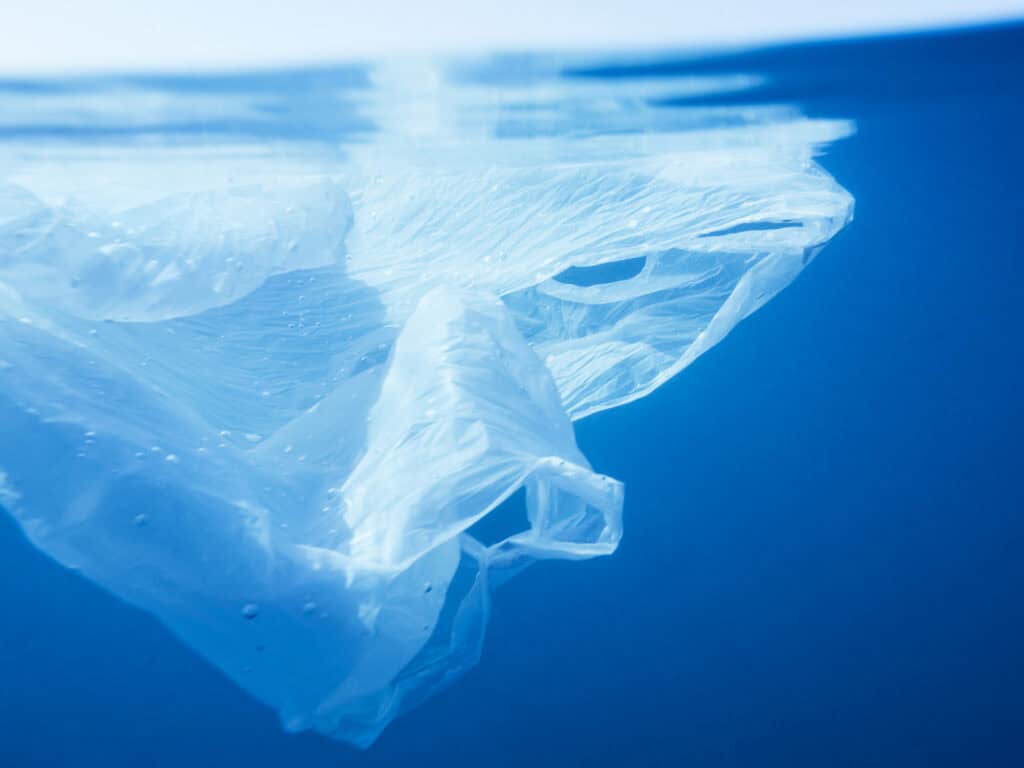
As the world rushed forward with plastic as a durable and economical packaging solution, it simultaneously created one of the greatest environmental challenges of the modern era. Global plastic production has increased dramatically over the past several decades, with single-use packaging accounting for a significant portion of that growth. Items designed to be used briefly—bags, wrappers, containers and packaging materials—can persist in the environment for decades or even centuries. To put that in perspective, the plastic yogurt cup you throw away today may linger in a landfill for roughly as long as the time that has passed since Columbus reached the Americas.
Unlike organic materials that decompose naturally within weeks or months, plastics degrade slowly into smaller fragments, dispersing through soil, water and air. These particles accumulate in landfills, waterways and coastal ecosystems, affecting wildlife and natural habitats. As concerning as that is, the environment is only part of the story. As plastic breaks down, it forms microscopic particles known as microplastics that never fully disappear. These particles are now being detected not only in nature but inside the human body. Once you understand what they contain, the concern becomes much clearer.
Plastic packaging can contain additives such as phthalates and bisphenols—substances used to improve flexibility, durability and heat resistance. These belong to a broader category known as endocrine-disrupting chemicals (EDCs)—compounds that interfere with the body’s hormonal signaling. Hormones regulate essential biological processes including growth, metabolism, reproduction and development. Even small disturbances to these pathways can alter how cells and organs function over time. While bisphenol A (BPA) has largely been removed from many food containers, manufacturers often substitute chemically similar alternatives that perform the same functions but come with their own health concerns.
Researchers have linked exposure to these chemicals with a range of health problems including immune disruption, metabolic disorders, reproductive challenges and certain cancers. Under conditions such as heat, acidity, fat content or prolonged storage, small amounts of these substances can migrate from packaging into food. Toxic-Free Future, a grassroots environmental health and advocacy group, weighs in:
“Food packaging made from certain plastics and other synthetic materials is contaminating what we eat. Harmful chemicals like PFAS, phthalates, and bisphenols can leach from packaging into our food—polluting our bodies with hormone disruptors and other toxic substances linked to serious health problems, from cancer and infertility to obesity and developmental delays.”
Author Matt Simon, in his book “A Poison Like No Other: How Microplastics Corrupted Our Planet and Our Bodies,” not only agrees but goes a step further:
“Mothers not only pass the harms of endocrine-disrupting chemicals on to their fetuses but on to even more distant generations. When a mother is exposed to EDCs, so too are her fetus’s germ cells, which develop into eggs or sperm.”
Because hormones operate at extremely small concentrations, even low-level exposures to chemicals that mimic or block these signals can alter biological processes. Researchers continue studying the extent and implications of these exposures, but the growing body of evidence has prompted governments and environmental organizations to reconsider how disposable plastics are used throughout the global food system.
The World Pushes Back On Plastic
In developed nations, food packaging alone accounts for more than two-thirds of all packaging circulating through the economy. Plastic has become the most dominant—and problematic—material within that system. Across the United States, approximately 42 million metric tons of plastic are produced annually, yet less than 10% is recycled, according to the Environmental Protection Agency. Slightly more than 15% is incinerated through energy recovery—a process that burns non-recyclable plastic to generate heat, steam or electricity—while the rest ends up in landfills or the natural environment.
As scientists publish more research on the chemicals used in plastics, the potential risks to environmental and human health have become increasingly difficult to ignore. The visible accumulation of plastic waste in landfills, waterways and oceans only compounds the pressure. Many nations have begun introducing legislation and public initiatives aimed at reducing plastic waste and encouraging safer, more sustainable packaging systems.
Rwanda became the first country to enact a nationwide ban on plastic bags in 2008, prohibiting their production, importation and use. The policy is strictly enforced, with plastic bags routinely confiscated at airports and border crossings. Kenya followed with one of the strictest plastic bag bans in the world, imposing substantial fines and potential prison sentences for manufacturing or distributing them.
Other countries have targeted broader categories of single-use plastics. China has prohibited plastic straws nationwide and restricted disposable plastic utensils and bags in major cities. The Pacific island nation of Palau has banned plastic bags and polystyrene food containers while limiting disposable plastics within government facilities.
Northern Europe has taken a different approach, focusing on infrastructure and cultural attitudes toward consumption. Sweden, often cited as a global leader in sustainability, has developed advanced recycling systems that recover or reuse nearly all household waste. Combined with deposit-refund programs for beverage containers and strong environmental education initiatives, the country has dramatically reduced plastic waste entering landfills, rivers and oceans.
At the core of many of these initiatives is a push to reuse, repair and recycle materials rather than continuously producing and discarding new ones—an approach that places less strain on ecosystems. These efforts reflect a growing understanding that reducing dependence on plastic requires systemic changes to how packaging is produced and distributed, not just shifts in individual consumer behavior.
How California Is Shaping Packaging Policy
In the United States, some of the most ambitious efforts to address plastic packaging are emerging at the state level. California has passed several laws targeting both the chemicals used in packaging and the waste it creates. One early measure, AB 1319, adopted in 2011, banned BPA in baby bottles and sippy cups and required manufacturers to replace it with the least toxic alternative available. While the law focused on products intended for infants and young children, it highlighted growing concern over endocrine-disrupting chemicals in plastics. However, food packaging outside that category may still contain BPA or other bisphenols.
California has also pursued broader reforms aimed at reducing plastic waste. The Plastic Pollution Prevention and Packaging Producer Responsibility Act (SB 54), spearheaded by the California Public Interest Research Group, is one of the most comprehensive plastic reduction laws in the country. The legislation shifts responsibility for plastic waste from consumers and municipalities to the companies that produce packaging. According to CalRecycle, producers must contribute:
“…$5 billion over 10 years — $500 million per year beginning in 2027 — to: Address the environmental impacts of plastic pollution and Aid affected environmental justice communities most impacted by the damaging effects of single-use plastic waste.”
The law also establishes major targets for packaging reduction. By 2032, 100 percent of single-use packaging and foodware sold in California must be recyclable or compostable, 65 percent must be recycled, and plastic packaging must be reduced by 25 percent. SB 54 aims to reduce plastic pollution by targeting packaging production rather than relying solely on recycling after disposal.
Additional legislation continues to focus on the chemicals used in packaging. The California Safer Food Packaging Act of 2025 (AB 1148) proposes banning intentionally added bisphenols and phthalates in food and beverage packaging, including cans, liners, wrappers, pouches and takeout containers. California has also taken steps to restrict per- and polyfluoroalkyl substances (PFAS)—chemicals used in grease-resistant coatings for takeout containers, microwave packaging and fast-food wrappers. PFAS are often referred to as “forever chemicals” because of their remarkable persistence in both the environment and the human body.
Beyond California, more than half of U.S. states have adopted laws resembling its BPA restrictions, though many states still lack similar protections. As awareness grows around the potential health effects of bisphenols, phthalates and PFAS, additional states are considering measures aimed at reducing chemical exposure from food packaging.
A New Generation of Packaging Materials
Alongside these policy efforts, innovative companies are experimenting with alternatives that move beyond conventional plastic packaging. Some are turning to agricultural and marine materials that require little processing and avoid synthetic polymers altogether. Berlin-based startup Arekapak produces packaging from sun-dried areca palm leaves—sturdy containers that require minimal energy or water to manufacture and naturally biodegrade after use.
Paper and wood-fiber materials are also being reimagined. Italian manufacturer Ecopack, which has specialized in paper packaging for decades, continues to expand recyclable paper solutions for the food industry. Finnish company Paptic has developed a durable wood-fiber material that behaves like a flexible film but can be recycled like paper, offering an alternative to plastic films. Scandinavian materials producer Stora Enso is similarly investing in renewable packaging derived from forest resources, exploring fiber-based materials that can replace certain plastic applications.
Some of the most unusual innovations are emerging from the ocean. London-based startup NotPla—short for “not plastic”—developed a biodegradable membrane made from seaweed capable of encapsulating liquids. The material dissolves naturally within weeks and can even be eaten. Scottish company Oceanium is also exploring seaweed-based biomaterials that may serve as compostable packaging alternatives for food and consumer products. These materials represent some of the closest modern parallels to natural packaging—substances derived directly from plants or marine resources that can return to the environment without leaving persistent synthetic residues.
Other developers are pursuing compostable packaging designed to behave more like plastic while still breaking down under controlled conditions. German company Repaq produces flexible films composed largely of cellulose and natural binders, while Finnish startup Sulapac has developed biodegradable materials made from wood and plant fibers intended to leave no synthetic microplastic residue. Companies such as Bio Futura and BioPak also produce food containers and takeaway packaging from materials like sugarcane pulp and rapidly renewable plant fibers designed to replace petroleum-based plastics.
However, some of these products achieve their performance—grease resistance, moisture barriers, shelf stability—by incorporating bioplastics, most commonly polylactic acid (PLA). Others, like Israeli company TIPA, are marketed as “sustainable” and “compostable,” which they may be, but still rely on some engineered polymers that are fossil-based. Their compostable films claim to mimic the strength and shelf life of conventional plastic packaging.
Compostable polymers such as PLA—while arguably a better choice than plastic—still come with their own environmental challenges. PLA typically requires the high heat and microbial activity found only in industrial composting facilities to break down effectively, and often fails to degrade in landfills or home compost piles. Because PLA closely resembles conventional plastics like PET (polyethylene terephthalate, the hard, clear plastic commonly used in water bottles and food containers), it can also contaminate recycling streams, potentially ruining entire batches of recyclable material. If discarded improperly, PLA can persist in the environment much like traditional plastic, contributing to pollution in marine and terrestrial ecosystems.
There is also growing concern that even biodegradable polymers can fragment into microplastics during degradation, posing ingestion risks to wildlife and adding to the broader microplastic burden already in the environment. Large-scale production of PLA often relies on agricultural feedstocks such as corn, raising questions about land use, water consumption and pesticide inputs associated with producing packaging from food crops. These realities complicate the widespread perception that all “biodegradable” or “compostable” plastics are inherently benign.
The Path Forward
Change is beginning to emerge from several directions. Governments are introducing new policies to reduce disposable plastics while researchers and manufacturers experiment with materials that work more harmoniously with natural cycles. Yet policy and innovation alone cannot shift an industry of this scale.
You also shape what the market produces. Each time businesses see demand for packaging made from renewable fibers, reusable systems or safer materials, those alternatives move from niche experiments into mainstream practice. When you choose reusable canvas bags, shop at farmers markets and buy items in nontoxic, reusable containers such as glass, you are investing in change. Buying in bulk and freezing for later is another way to reduce the plastic moving through your household and into the environment.
The future of food packaging will not be determined only in laboratories or legislative chambers—it is being driven, day by day, by everyday decisions like yours. And in a system where the container has become inseparable from the food itself, those choices reach further than they appear—touching not only the environment, but the body as well.
~
Published on April 10, 2026.
To contact A Voice For Choice Advocacy, please email media@avoiceforchoice.org.
If you would like to support the research and health education of AVFC editorial, please consider making a donation today. Thank you.