






By Kirsten Steinman
EDITOR’S SUMMARY: Wearable technology offers a powerful idea: that your body can be measured, optimized and improved through constant feedback. But more information doesn’t always translate into better health. As self-tracking becomes more precise, it can also become more consuming—shifting attention away from how you feel and toward what your devices report. This tension raises an important question: does the pursuit of perfect data come at the cost of something harder to quantify?
A home filtration system is connected to an app on your phone, alerting you the minute it needs a new filter. Your smart thermostat adjusts automatically, maintaining the perfect temperature without you ever touching a dial. With a few voice commands, Alexa updates your grocery list and a shipment of toilet paper appears on your doorstep the next day. Google Maps recalculates your route in real time, constantly processing new traffic data to deliver you to your destination as efficiently as possible.
Modern life runs on continuous monitoring, instant feedback and automated correction. Whether you’re aware of it, you interact with a dozen systems a day that track performance in real time, detect small changes before they become problems, and optimize outcomes with minimal effort on your part. Information is expected to be immediate, precise and actionable. Convenience is no longer a luxury, it has become the baseline for everyday living.
It makes sense, then, that you would begin to expect the same from your body. What if your health could be monitored like your home’s air quality? What if subtle changes in your physiology could be detected the moment they begin—before symptoms appear, disease develops or anything feels wrong? What if your body could generate a steady stream of data that helps you make small adjustments each day to improve performance, extend lifespan and prevent illness altogether? This is the potential of wearable health technology—but does it live up to it??
Devices that track physical activity, heart rate and sleep began gaining acceptance in the early 2000s with the introduction of Fitbit and smartphone-based sleep trackers such as Sleep Cycle. Around the same time, the term “biohacking” entered mainstream culture—referring to the practice of using data-driven experimentation to optimize your body, brain health and lifespan—and was popularized by longevity expert Dave Asprey. By systematically tracking his own health metrics and applying insights from long-lived populations, Asprey reports that he lost 100 pounds and reversed conditions including arthritis, prediabetes and chronic fatigue syndrome.
A Silicon Valley transplant, Asprey reflects the core demographic of wearable health technology: affluent, analytically minded, tech-savvy and comfortable using data to guide decision-making. For biohackers, wearable devices are foundational tools used to transform health into something measurable, trackable and improvable. In this framework, health becomes less about reacting to illness and more about making ongoing adjustments in pursuit of optimal function. Dr. Sara Gottfried, a board-certified OB-GYN and integrative medicine physician, is another advocate of using technology and self-experimentation to create highly individualized health strategies:
“The point is to leverage every means possible—genetic, biochemical, psychological, emotional, spiritual—toward a specific goal, usually to feel your best and most productive. What differentiates biohacking from other health strategies is that it involves rigorous self-testing… and self-monitoring technology, such as with wearables and trackers.”
According to Dr. Gottfried, wearable technology allows you to move beyond generalized health advice and toward precision care, achieved through continuous measurement. By tracking biological signals over time and around the clock—using fitness wearables, metabolic monitors and periodic lab testing—subtle patterns begin to emerge. Those insights can then guide targeted adjustments to diet, sleep, stress management and daily routines.
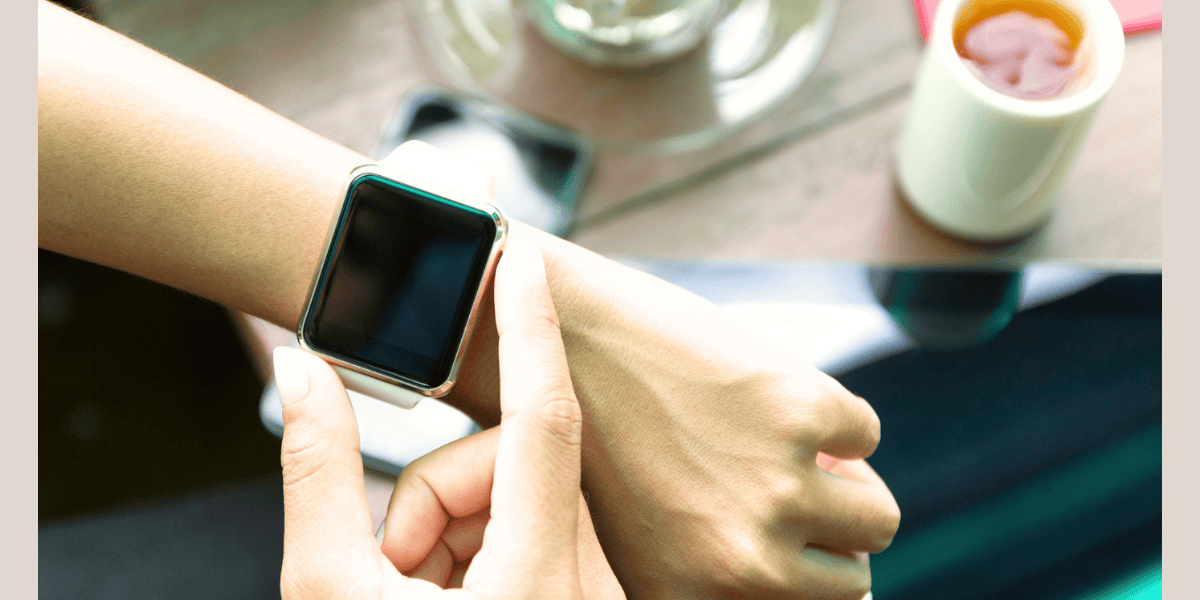
Some of the tools she recommends include continuous glucose monitors (CGMs), which measure how blood sugar responds to food, exercise and stress; sleep trackers such as Oura and Fitbit that monitor duration and sleep stages; metabolic devices like Lumen, which estimate metabolic fuel use by analyzing breath; and recovery trackers such as Whoop, which measure strain and heart rate variability—a marker of autonomic nervous system activity that reflects stress and recovery. These devices come in many forms, including watches and wristbands, adhesive sensors (flexible patches worn on the skin), sensor-embedded clothing, ear-worn headsets, smart jewelry like rings, clip-on devices and even glasses or contact lenses.
For Dr. Gottfried, this level of feedback has produced tangible changes. By tracking her own sleep cycles, she was able to identify environmental and behavioral factors that improved rest and doubled her sleep—for example, lowering room temperature at night and discovering that ashwagandha (Indian ginseng) worked more effectively for her than melatonin. Glucose tracking revealed that while certain foods such as bananas produced stable responses, others such as oatmeal caused unexpected spikes.
“Blood sugar monitoring is really important if you want to lose weight and live a long, healthy life. I check my blood sugar at home once per week, and occasionally do a “carb” test where I’ll eat 25-50 grams of a type of carb and then measure my blood sugar 2 hours later.”
Stress is measurable too—by tracking heart rate variability, it’s possible to intervene in real time by employing meditation or visualization techniques until levels stabilize. The stress hormone cortisol has beenshown to contribute to neuronal damage and accelerated aging, particularly in women—so managing this metric alone can make a noticeable difference in quality of life.
The capacity to observe cause and effect so precisely is what makes wearable technology appealing to many people. Blood glucose patterns, for example, can signal early metabolic dysfunction long before symptoms appear. Since elevated glucose contributes to conditions such as cardiovascular disease, type 2 diabetes, neuropathy and kidney disease, early detection may allow for timely intervention before irreversible damage occurs.
Persistently high glucose levels trigger immune cells to release inflammatory cytokines—proteins that regulate inflammation, immunity and blood cell production. Over time, this process can contribute to physiological strain associated with chronic illness. If you’re dealing with ongoing inflammation, continuous blood sugar monitoring may offer valuable immediate insight—potentially helping identify harmful trends early enough to make meaningful adjustments.
Many experts are now advocating for broader use of continuous glucose monitors, even among people without diabetes. One reason is that insulin resistance can begin as early as 20 years before diabetes is formally diagnosed. Real-time feedback from a CGM can reveal how specific foods, activity levels and even stress influence your metabolic health—allowing you to tailor your diet to your physiology rather than rely on generalized nutritional advice. Nutrient metabolism is highly individualized and can shift depending on where you are in your health journey. By helping to keep glucose levels stable, wearable use may support more consistent energy, improved mental clarity and better long-term health outcomes.

When Data Starts to Distort
The ability to check blood sugar continuously can feel reassuring—until awareness tips into hypervigilance. In this state, constant monitoring can start to feel necessary rather than useful. The same ongoing feedback that enables precision can lead to unintended psychological effects. Tracking may become less informative and more compulsive, and normal physiological fluctuations may begin to feel like warning signs. For example, a wearable might alert you to a subtle rise in heart rate—panic follows, increasing bodily stress—when the underlying cause is something simple, like dehydration. Systems that are designed to notify can instead alarm you, creating urgency around changes that are clinically insignificant.
Repeated checking may provide momentary relief, but it can also reinforce anxiety and lead to increased vigilance. Over time, your body may begin to feel less like something experienced internally and more like something evaluated externally. Emotional and physical cues may start to be missed or ignored, replaced by numbers and graphs that demand constant attention. Sleep tracking provides a clear example: research published in Sleep Medicine has shown that individuals who rely heavily on sleep trackers sometimes develop increased concern about sleep quality—even when they are objectively sleeping longer. This phenomenon, known as orthosomnia, reflects a paradox in which striving for “perfect” sleep can actually make sleep worse. In these cases, taking a break from trackers and shifting focus back to how you feel may be the best course of action.
Studies have found that wearable users with health anxiety seek more medical testing and clinical visits despite having no underlying disease or medical condition. Similar findings were reported in a study published in the Journal of the American Heart Association: among patients with atrial fibrillation (AFib), those who monitor heart rhythms continuously report greater symptom preoccupation and emotional distress compared to those who do not. This anxiety can also worsen AFib symptoms.
In these cases, wearable devices are not simply measuring health—they are shaping perception, behavior and physiology in real time. If your smartwatch says that you didn’t get good sleep, it may plant a subtle expectation that leads to reduced work performance the next day. Seeing an elevated heart rate can trigger fear and drive it even higher. Conversely, positive metrics can boost confidence and motivation, with stress levels shifting accordingly.
Aside from psychological effects, wearables have limits when it comes to measurement, and data is not always conclusive. Consumer wearable devices are not held to the same standards as clinical-grade equipment used in healthcare settings. As a result, measurement accuracy can vary by device, context and even individual physiology. While some studies show many wearables perform strongly when it comes to heart rate measurement, energy expenditure—a commonly tracked metric that estimates how many calories your body burns—remains difficult to evaluate reliably.
Perhaps more concerning is the potential for wearables to provide false reassurance. Cardiologist Dr. James Stein has described cases in which patients experiencing serious cardiac events delayed seeking care because their smartwatch readings appeared normal. Physiological data that appears reassuring does not always reflect what is happening internally. This serves as a reminder that while numbers can inform, they cannot fully replace professional judgment or subjective experience.
Another concern is chronic exposure to radiofrequency electromagnetic fields (RF-EMFs) emitted by wearable devices. Smartwatches and similar technologies transmit signals through Bluetooth, Wi-Fi, embedded sensors and sometimes cellular connections. These emissions are classified as non-ionizing radiation, meaning they do not directly damage DNA in the way ionizing radiation can (such as X-rays or gamma rays). However, some researchers have explored whether long-term, low-level exposure may influence biological processes such as melatonin production, mitochondrial function, oxidative stress, inflammation or nervous system regulation. The specific absorption rate measures the amount of RF-EMF energy absorbed by body tissue. Most wearable devices operate well below established safety limits. Still, continuous skin contact—often 24 hours a day—raises questions about cumulative exposure.
If you are sensitive to RF-EMFs, contact with these signals may be associated with symptoms such as fatigue, skin burning or tingling, tinnitus (ringing in the ears), headaches or migraines, brain fog, anxiety, heart palpitations or dizziness. Symptoms may intensify near active devices or in environments with higher electromagnetic exposure. In some cases, RF-EMFs may also interfere with heart rhythms, which can be especially concerning for those with cardiovascular conditions. If you’re worried, simple precautions—such as using airplane mode, removing devices while sleeping or limiting cellular-enabled features—may help reduce overall exposure.
In addition to physiological concerns, wearables present another growing issue: data ownership, privacy and surveillance. Highly personal information is continuously collected—activity levels, sleep patterns, heart rhythms, location, behavioral habits—and stored in digital systems that may be shared with third parties, sometimes without clear user awareness. Data breaches have already demonstrated how vulnerable large health data sets can be. In 2025, a breach of UnitedHealth records led to 100 million individuals’ information being compromised.
You can take practical steps to better safeguard your information. Start by disabling location tracking in your device’s privacy settings and reviewing the company’s privacy policy—many consumer health products are not protected under the Health Insurance Portability and Accountability Act (HIPAA). It’s also wise to decline unnecessary permissions, switch your profile to “private” or “friends only” (as many platforms default to public) and use strong, unique passwords. When transferring data or syncing devices, connect only to secure, private Wi-Fi networks rather than public hotspots.
Potential downstream uses of this information extend beyond the goal of personal wellness. Insurers could incorporate these metrics into risk calculations, leading to higher premiums. Employers may gain access to health data through workplace wellness programs and use it to discriminate, influence or penalize you—or even to guide targeted layoffs. Incentive-based monitoring systems are already emerging, and what begins as voluntary participation could, in some settings, evolve into an expectation or requirement—whether stated or implied. For example, a system that rewards adherence to a medication regimen could gradually shift from offering incentives for success to imposing penalties for noncompliance, infringing on personal autonomy and creating pressure to follow recommendations that you may not fully agree with.
Promise, Potential and Practical Limits
Despite these concerns, wearable technology holds considerable potential, particularly for people with chronic illness. Continuous data collection may help detect early signs of Parkinson’s disease, identify sleep apnea, track mood-related behavioral changes and alert patients or clinicians to dangerous physiological shifts. Some researchers, such as Dr. Sandeep Kishore of UC San Francisco, envision systems in which abnormal readings automatically trigger outreach from healthcare providers—or even emergency response when necessary.
At the forefront of ongoing advances in artificial intelligence, he and others suggest that long-term physiological data streams may eventually allow algorithms to detect meaningful patterns earlier than traditional clinical observation. The current medical model—seeing patients once every six months for a check-up—can miss critical information that could help prevent future health issues. Instead of periodic appointments, preventive medicine could move toward continuous background insight. Dr. Kishore says:
“I think about a patient I had on the wards recently. She was in her 30s and had type 1 diabetes, meaning that she requires frequent insulin to manage her blood sugar. Unfortunately, she ran out of insulin and presented to the hospital nearly comatose. In many ways, she was hidden. Her roommate was the one who found her slouched in her room. If my patient had some sort of passive blood sugar monitoring, we could envision a day when that data could be part of a feedback loop between her and her health care team. Imagine if it sent an alert to a physician or a pharmacist monitoring a dashboard? Or maybe initiated a call or text to her phone that — if she didn’t respond — would trigger an emergency response? Maybe, we could have prevented this from happening.”
Future wearable health devices may be embedded in everyday objects, worn invisibly or even powered indefinitely. Imagine your steering wheel keeping track of your heart rate, contact lenses that act as a biochemical laboratory, or a patch that looks like a Band-Aid and can be worn for weeks at a time—all sending wellness metrics to a centralized system where they are sorted and analyzed for actionable signals. In the next decade, tech experts expect to have smartwatches that last for the life of the product, with no charging required. Aside from diagnosing cancer, heart disease and diabetes, these devices may detect colds 72 hours in advance or “talk” to your doctor, alerting them to time-sensitive health emergencies.
Yet translating this vision into practice raises several practical challenges. Healthcare systems are already strained—persistent streams of patient data would require time, infrastructure and personnel to interpret effectively. If abnormal data is transmitted but not reviewed, who is responsible? The promise of round-the-clock observation may exceed the current capacity of medicine to respond when needed.
It’s human to want to understand your body and reduce uncertainty—and wearable health technology offers a way to help you stay one step ahead of illness. This can be appealing, especially if you are frustrated with the current healthcare model, which is highly reactive and lacking in preventive measures. Being able to convey a year’s worth of information about your health to your doctor, rather than attempt to sum it up in your own words within a 15-minute office visit, seems efficient and reasonable.
But does more data translate into more health? While these tools offer clarity, they have also been shown to contribute to dependency, anxiety and false reassurance, and to shift natural awareness of your body toward a state in which it is constantly managed. This constant self-checking may be why the majority of those who try wearable health devices abandon them within a few months.
Wearables should not be viewed as a threat, but they are not a cure-all either—they are tools that, at best, may be used to highlight recurring signals you might miss and support lasting behavior change. At their worst, they may distract you from simple things that are critical to health: nourishment, connection, rest and attention to how you actually feel. As these devices become more integrated into daily life—collecting personal data, transmitting signals through wireless networks and sometimes staying in near-constant contact with the body—it becomes increasingly important to use them thoughtfully.
If wearable health technology is here to stay—and it certainly seems like it is—then the call is simple: use the data, but don’t lose your own wisdom. Innovation can offer valuable support for a healthy lifestyle, but don’t let it overshadow your intuition. Stay curious, stay present and remember—you have the ability to know your body better than any device ever will.
~
If you’ve found value in this article, please share it!
To support the research and health education of AVFC editorial, please consider making a donation today. Thank you.